

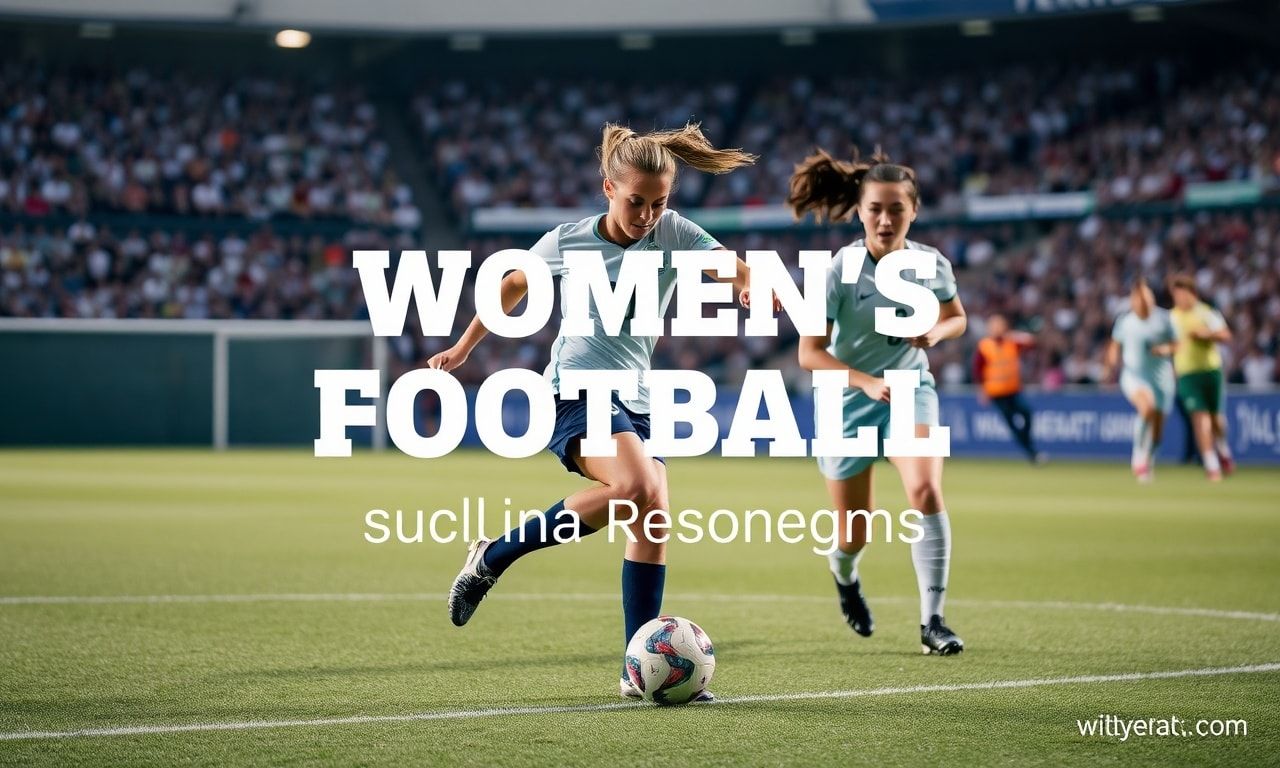
The Global Surge in Women’s Football
The world of sports is witnessing a remarkable transformation, with women’s football taking center stage. The sport has seen an unprecedented surge in popularity, participation, and professionalism, breaking barriers and shattering stereotypes. From the bustling streets of Dublin to the vibrant stadiums of Oslo, the beautiful game is uniting communities and inspiring a new generation of athletes. The Oslo council news decisions update recently highlighted the city’s commitment to expanding facilities for women’s sports, reflecting a global trend.
The Dublin Connection: A Hub for Women’s Football
Dublin, a city known for its rich sporting heritage, has become a hotspot for women’s football. The emergence of local clubs and the success of the Republic of Ireland women’s national team have ignited a passion for the sport. The Dublin Report has been instrumental in covering the latest developments, from grassroots initiatives to professional leagues. The city’s vibrant sports culture provides a fertile ground for women’s football to thrive, with a growing number of girls and women taking up the sport at all levels.
Key Factors Driving the Growth
Several factors have contributed to the rise of women’s football. Increased media coverage, investment in youth development, and the success of international tournaments like the FIFA Women’s World Cup have played pivotal roles. Additionally, the advocacy for gender equality in sports has gained momentum, with organizations and governments recognizing the importance of equal opportunities. The Oslo council news decisions update, for instance, underscores the growing emphasis on creating inclusive and accessible sports facilities.
Media Coverage and Visibility
Media coverage has been a game-changer for women’s football. Broadcast deals, digital platforms, and social media have brought the sport to a wider audience, increasing its visibility and appeal. The Dublin Report has been at the forefront of this movement, providing comprehensive coverage of local and international women’s football events. This increased exposure has not only attracted more fans but also inspired young girls to take up the sport, creating a virtuous cycle of growth and development.
Investment in Youth Development
Investment in youth development programs has been crucial in nurturing talent and fostering a love for the game. Clubs and academies in Dublin and beyond are investing in coaching, facilities, and scholarships to support young female athletes. These initiatives are essential for building a strong pipeline of talent and ensuring the long-term success of women’s football. The Oslo council news decisions update highlights similar efforts in Oslo, where the local government is committed to providing resources and support for women’s sports.
Challenges and Opportunities
Despite the progress, women’s football still faces challenges such as unequal pay, limited sponsorship, and societal biases. However, these challenges also present opportunities for growth and innovation. Advocacy groups, sports organizations, and governments are working together to address these issues and create a more equitable playing field. The Dublin Report continues to shed light on these challenges, advocating for positive change and highlighting success stories that inspire hope and action.
Advocacy and Policy Changes
Advocacy efforts have been instrumental in driving policy changes that support women’s football. Organizations like FIFA and UEFA have implemented initiatives to promote gender equality and increase investment in the women’s game. The Oslo council news decisions update is a testament to the growing recognition of the importance of women’s sports at the policy level. Similarly, the Dublin Report has been a vocal advocate for change, pushing for better resources, facilities, and opportunities for female athletes.
Sponsorship and Commercial Growth
Sponsorship and commercial growth are critical for the sustainability of women’s football. Brands are increasingly recognizing the value of associating with the women’s game, seeing it as a powerful platform for reaching a diverse and engaged audience. The Dublin Report has covered numerous success stories of sponsorship deals and commercial partnerships that have boosted the profile and resources of women’s football clubs and leagues. This commercial growth is essential for the sport’s continued development and success.
The Future of Women’s Football
The future of women’s football looks bright, with a growing fan base, increased investment, and a strong pipeline of talent. The sport is breaking barriers and challenging stereotypes, paving the way for a more inclusive and equitable sports landscape. The Dublin Report will continue to cover the latest developments, celebrating the achievements and highlighting the challenges that lie ahead. As women’s football continues to gain momentum, it is clear that the beautiful game is no longer just for the boys.
Grassroots Initiatives
Grassroots initiatives are playing a vital role in the growth of women’s football. Local clubs, schools, and community organizations are working to increase participation and provide opportunities for girls and women to play the sport. The Dublin Report has highlighted numerous grassroots initiatives that are making a difference, from after-school programs to community tournaments. These efforts are essential for building a strong foundation for the sport and ensuring its long-term success.
International Success
International success stories are inspiring a new generation of female footballers. The achievements of national teams like the Republic of Ireland women’s national team and the success of players in international leagues are motivating young girls to take up the sport. The Dublin Report has covered these success stories, showcasing the talent and dedication of female athletes and highlighting the impact they are having on the sport. This international success is a powerful driver of growth and development for women’s football.