

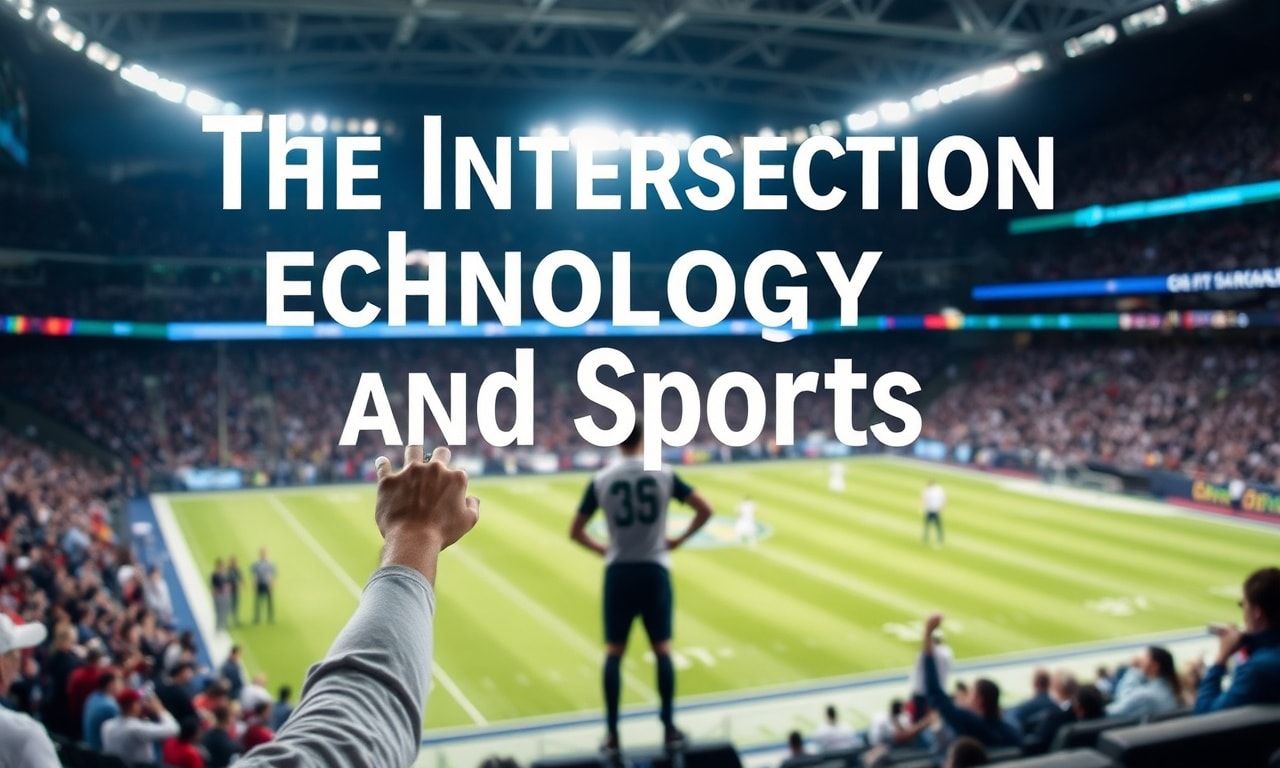
The Digital Transformation of Sports
The sports industry is undergoing a digital transformation that is revolutionizing the way fans engage with their favorite teams and athletes. From live streaming to social media interactions, technology is bridging the gap between the stadium and the living room, creating a more immersive and interactive experience for fans worldwide. This shift is not only enhancing fan engagement but also opening up new avenues for teams and athletes to connect with their audiences.
Enhancing Fan Experience Through Technology
One of the most significant advancements in sports technology is the use of virtual and augmented reality. These technologies allow fans to experience games and events as if they were physically present, even if they are thousands of miles away. For instance, virtual reality headsets can transport fans to the front row of a sold-out stadium, providing a 360-degree view of the action. Augmented reality, on the other hand, can overlay real-time statistics and player information onto the live feed, enriching the viewing experience with valuable insights.
Additionally, the integration of social media platforms has transformed the way fans interact with their favorite teams and players. Platforms like Twitter, Instagram, and Facebook allow for real-time updates, behind-the-scenes content, and direct communication between athletes and fans. This level of accessibility not only fosters a stronger connection but also humanizes athletes, making them more relatable to their followers.
The Role of Email Communication
In the realm of digital communication, email remains a powerful tool for sports organizations to keep fans informed and engaged. Many teams and athletes use email newsletters to share updates, exclusive content, and special offers with their subscribers. To manage these communications effectively, it’s essential to understand how to use gmail accounts for email signatures, ensuring that every message is professional and on-brand. This small detail can make a big difference in maintaining a polished and consistent image.
Data Analytics and Performance Tracking
Technology is not only enhancing the fan experience but also revolutionizing the way athletes train and perform. Wearable devices and advanced analytics tools are providing coaches and players with real-time data on performance metrics such as speed, heart rate, and fatigue levels. This information is crucial for optimizing training regimens, preventing injuries, and improving overall performance. For example, GPS tracking devices can monitor a player’s movement patterns during a game, helping coaches identify areas for improvement and strategize more effectively.
Moreover, data analytics is playing a pivotal role in talent scouting and recruitment. By analyzing vast amounts of data on player performance, teams can make more informed decisions about potential recruits. This data-driven approach not only increases the likelihood of successful signings but also helps teams build more competitive rosters. The use of analytics in sports is a testament to the power of technology in transforming traditional practices and driving innovation.
The Future of Sports Technology
As technology continues to evolve, the future of sports is poised for even more exciting developments. Artificial intelligence (AI) and machine learning are expected to play a significant role in enhancing both the fan experience and athletic performance. AI-powered chatbots, for instance, can provide personalized recommendations and real-time updates to fans, while machine learning algorithms can analyze vast amounts of data to predict game outcomes and player performance.
Another emerging technology is the Internet of Things (IoT), which involves the interconnection of everyday devices. In the context of sports, IoT can be used to monitor stadium conditions, manage ticket sales, and even enhance security measures. For example, smart sensors can detect overcrowding in concourses and adjust crowd flow accordingly, ensuring a safer and more enjoyable experience for all attendees.
Conclusion
The intersection of technology and sports is creating a new era of fan engagement and athletic performance. From virtual reality and augmented reality to data analytics and AI, technology is transforming the way we experience and participate in sports. As these advancements continue to evolve, the future of sports promises to be more immersive, interactive, and data-driven than ever before. Embracing these technologies is not only beneficial for fans and athletes but also for the sports industry as a whole, paving the way for a more connected and dynamic future.
In the fast-paced world of athletics and sports news, staying organized is key to peak performance; discover how technology streamlines communication efficiently to keep you ahead of the game.
As the digital world evolves, so do the threats to our data—discover how innovations in cybersecurity are shaping the future of our connected world with cutting-edge security trends for 2023.
Discover how technology is revolutionizing the world of sports with innovative training and organization methods, offering a fresh perspective on athletic performance and team management.