

The Evolution of Sports in Urban Landscapes
The world of sports is continually evolving, not just in terms of athletic performance and team strategies, but also in how cities integrate sports into their urban planning. Cities around the globe are recognizing the importance of creating spaces that promote physical activity and healthy lifestyles. Munich, Germany, is a prime example of a city that has seamlessly blended sports with urban mobility, making it a model for others to follow.
In Munich, the emphasis on sports infrastructure is evident in the numerous parks, stadiums, and recreational facilities that cater to both professional athletes and amateur enthusiasts. The city’s commitment to fostering a sports-friendly environment is reflected in its well-planned transportation networks, which ensure that residents and visitors can easily access these facilities. This integration of sports and urban mobility is not just about convenience; it’s about creating a culture that prioritizes health and well-being.
The Role of Public Transportation in Supporting Sports Events
One of the key factors that contribute to Munich’s success in this area is its efficient public transportation system. The München Verkehr Fahrplan aktuell, or Munich traffic schedule, plays a crucial role in ensuring that spectators can easily travel to and from sports events. Whether it’s a football match at the Allianz Arena or a marathon in the city center, the public transportation system is designed to handle large crowds, minimizing congestion and ensuring a smooth experience for everyone involved.
The city’s public transportation network includes buses, trams, and trains that are strategically timed to coincide with major sports events. This not only reduces the environmental impact of these events but also encourages more people to use public transportation, thereby promoting a healthier and more sustainable lifestyle. The seamless integration of sports and public transportation in Munich serves as a testament to the city’s commitment to creating a vibrant and active community.
Case Study: The Allianz Arena and Public Transportation
The Allianz Arena, home to the renowned football club Bayern Munich, is a prime example of how sports infrastructure and public transportation can work together. The stadium is easily accessible via the U-Bahn (subway) system, with a dedicated station just a short walk away. This makes it convenient for fans to travel to and from the stadium, regardless of where they are coming from. The München Verkehr Fahrplan aktuell ensures that there are frequent services before and after matches, allowing fans to plan their journeys with ease.
The Allianz Arena also features extensive parking facilities for those who prefer to drive, but the emphasis on public transportation is a clear indication of the city’s commitment to reducing traffic congestion and promoting sustainable travel. The stadium’s design and location are not just about providing a world-class venue for sports events; they are about creating a holistic experience that integrates seamlessly with the city’s transportation network.
The Impact of Sports on Urban Mobility
The relationship between sports and urban mobility is a two-way street. While efficient public transportation supports sports events and encourages physical activity, sports can also drive the development of urban infrastructure. The demand for better transportation networks to support major sports events can lead to significant improvements in a city’s overall mobility.
For example, the hosting of the Olympic Games or other major international sports events often prompts cities to invest in new transportation projects, such as new subway lines, expanded bus networks, or improved cycling infrastructure. These investments not only benefit sports enthusiasts but also enhance the quality of life for all residents by providing more efficient and sustainable transportation options.
The Role of Cycling in Sports and Urban Mobility
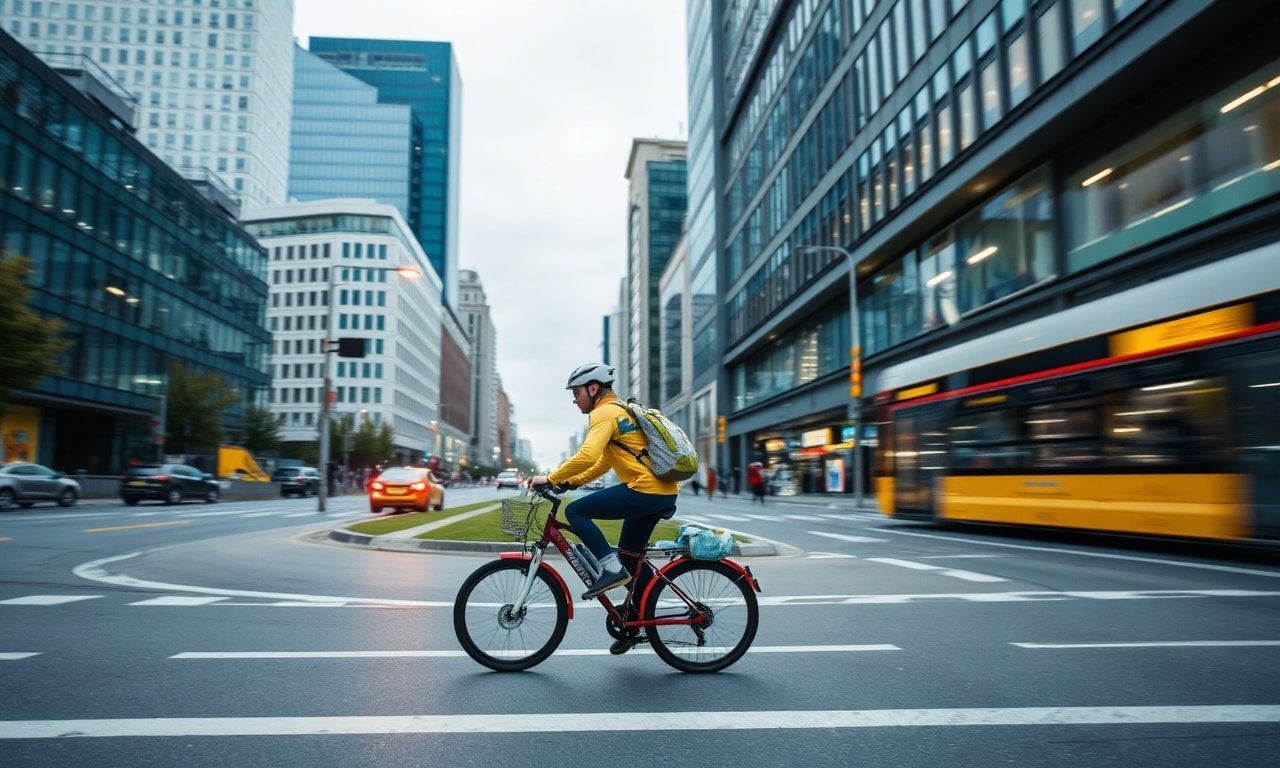
Cycling is another area where sports and urban mobility intersect. Cities around the world are recognizing the benefits of promoting cycling as a means of transportation, not just for recreation but also for commuting. Munich, with its extensive network of bike lanes and cycling paths, is a leader in this area. The city’s commitment to creating a bike-friendly environment is evident in its numerous cycling events and initiatives, which encourage residents to adopt a more active and sustainable lifestyle.
The integration of cycling into the city’s transportation network not only promotes physical activity but also reduces traffic congestion and air pollution. By providing safe and convenient cycling routes, Munich is creating a healthier and more sustainable urban environment. This holistic approach to urban mobility is a key factor in the city’s success as a sports-friendly destination.
Conclusion: The Future of Sports and Urban Mobility
The intersection of sports and urban mobility is a dynamic and evolving field. Cities like Munich are setting the standard for how to integrate sports into urban planning, creating environments that promote physical activity, sustainability, and community engagement. The München Verkehr Fahrplan aktuell is just one example of how efficient public transportation can support sports events and encourage a healthier lifestyle.
As cities around the world continue to invest in sports infrastructure and urban mobility, the lessons learned from Munich can serve as a valuable guide. By prioritizing the integration of sports and transportation, cities can create vibrant and active communities that benefit everyone. The future of sports and urban mobility is bright, and Munich is leading the way.