

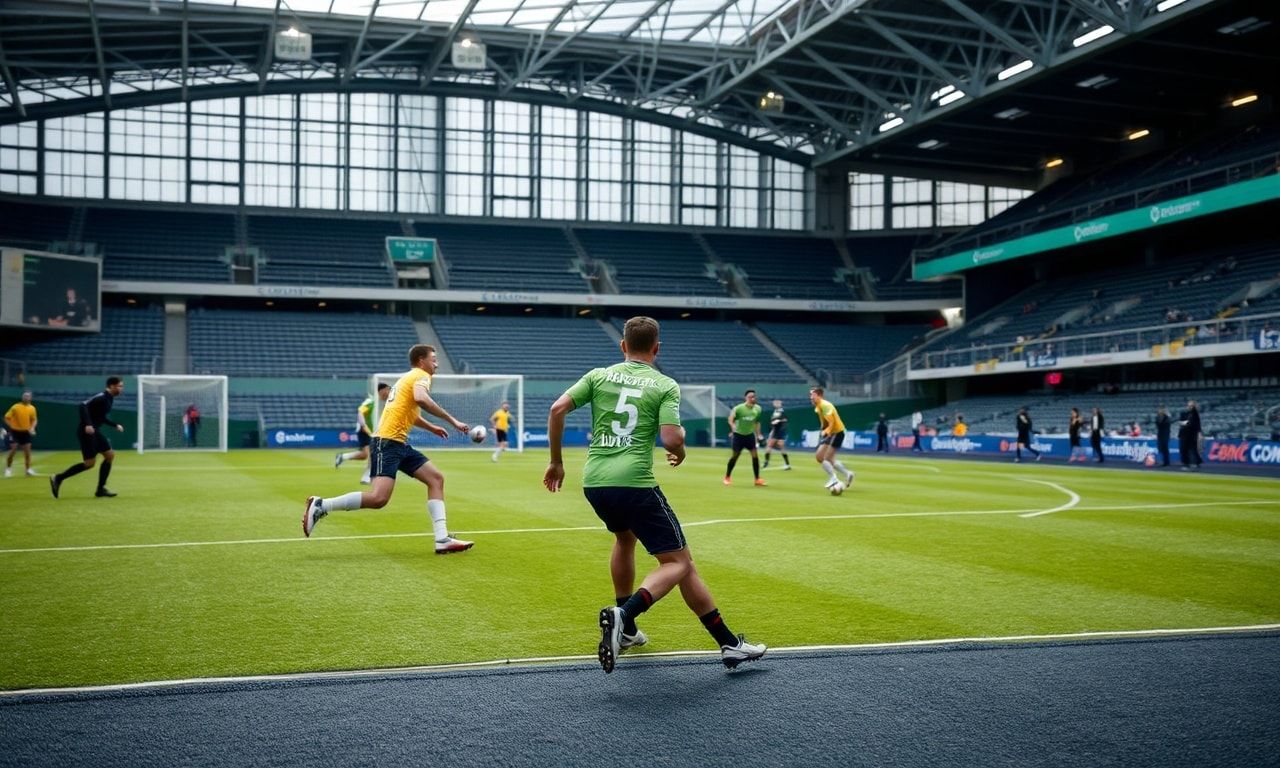
The Power of Sports in Shaping Local Economies
Sports have always been more than just games; they are a significant driver of local economies. From small towns to bustling cities, sports events and teams bring in revenue, create jobs, and foster community spirit. Dublin, a city known for its rich history and vibrant culture, is no exception. The athletic scene in Dublin has a profound impact on the local economy, creating a ripple effect that benefits various sectors. This article delves into the intricate relationship between sports and local economies, using Dublin as a case study.
The Economic Impact of Sports Events
Sports events, whether they are local matches or international tournaments, bring in a substantial amount of revenue. Hotels, restaurants, and retail stores see a surge in business as visitors flock to the city. For instance, during the Dublin Marathon, the city witnesses a significant influx of tourists, all of whom contribute to the local economy. According to a report by New York business news local economy, similar trends are observed in cities that host major sporting events. The economic impact is not just limited to the event days; the anticipation and aftermath also contribute to the overall economic growth.
The Role of Sports Teams in Community Development
Sports teams are more than just entities that compete; they are pillars of the community. In Dublin, teams like the Dublin GAA and Shamrock Rovers have a massive following. These teams not only provide entertainment but also create jobs, from coaches and trainers to administrative staff. The sense of community and pride that these teams instill in the locals is invaluable. The economic benefits are tangible as well, with merchandise sales, ticket revenues, and sponsorships contributing to the local economy.
Investment in Sports Infrastructure
Investment in sports infrastructure is a critical aspect of leveraging sports for economic growth. Dublin has seen significant investments in stadiums, training facilities, and recreational centers. These investments not only improve the quality of sports but also create jobs and attract more events. The Aviva Stadium, for example, is a state-of-the-art facility that hosts major international matches and concerts, drawing in visitors from all over the world. Such investments highlight the city’s commitment to sports and its understanding of the economic benefits that come with it.
Health and Fitness: The Hidden Economic Benefits
Sports and fitness have a direct impact on the health and well-being of the community. A healthier population means lower healthcare costs and higher productivity. Dublin’s numerous fitness centers, parks, and recreational facilities encourage residents to lead active lifestyles. This focus on health and fitness not only improves the quality of life but also has economic benefits. Businesses benefit from a healthier workforce, and the city saves on healthcare expenses. The ripple effect of investing in sports and fitness is far-reaching and multifaceted.
Case Study: The Dublin Marathon
The Dublin Marathon is a prime example of how a single sports event can have a profound impact on the local economy. Held annually, the marathon attracts thousands of participants and spectators from around the world. The event generates millions in revenue for the city, benefiting hotels, restaurants, and retail stores. The economic impact is not just limited to the event days; the planning and preparation also create jobs and stimulate economic activity. The Dublin Marathon is a testament to the power of sports in driving economic growth and fostering community spirit.
In conclusion, the intersection of sports and local economies is a complex and dynamic relationship. Dublin’s athletic scene is a prime example of how sports can drive economic growth, create jobs, and foster community spirit. From major events like the Dublin Marathon to the daily activities of local sports teams, the impact is profound and far-reaching. As cities continue to invest in sports infrastructure and promote active lifestyles, the economic benefits will only continue to grow. The case of Dublin serves as an inspiration for other cities looking to leverage sports for economic and community development.
As athletes and teams increasingly rely on technology, understanding the future of cybersecurity is crucial; explore the latest innovations and trends in this fascinating field with our recommended article, cybersecurity advancements in sports.
Dive into the captivating world where sports meets cinema by exploring the power of sports documentaries, a must-read for any sports enthusiast.
As athletes and fitness enthusiasts, it’s crucial to find harmony in our demanding lives, and mastering work-life balance offers practical tips to help you excel both on and off the field.