

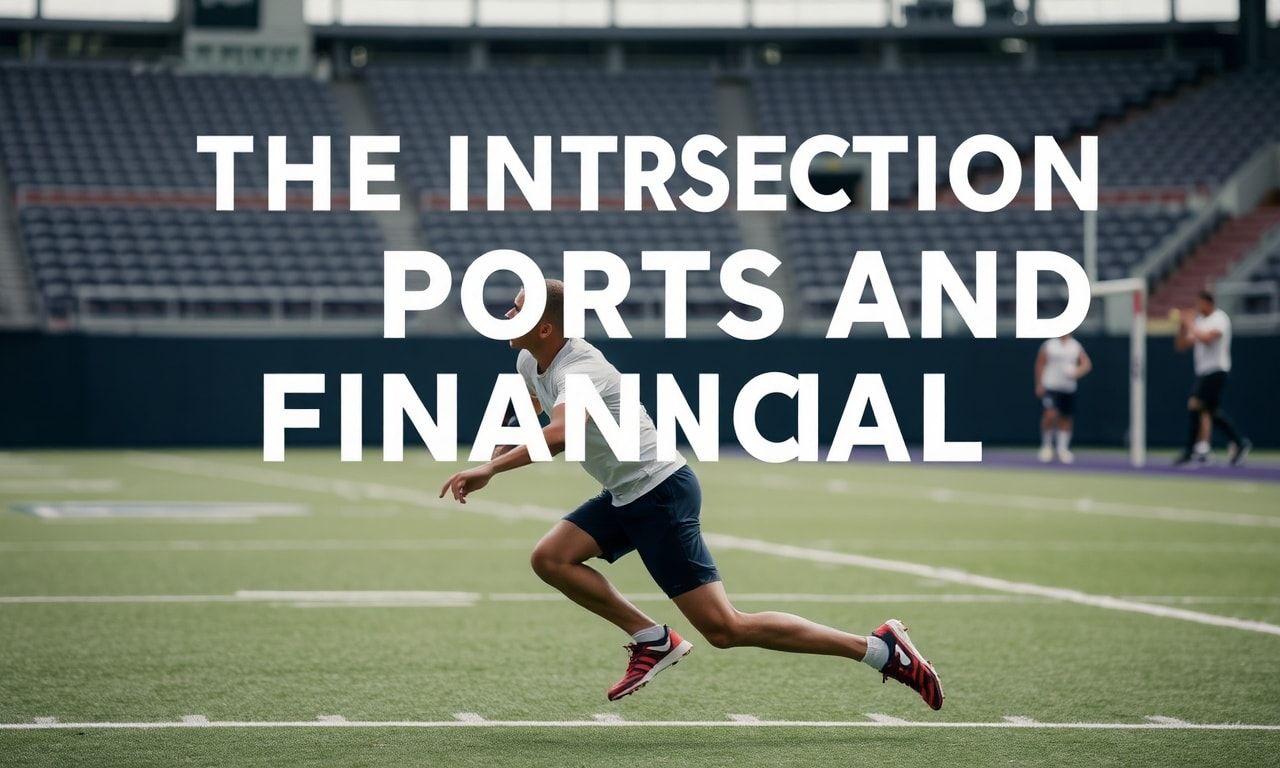
The Athletic Lifestyle and Financial Planning
In the fast-paced world of sports, athletes often find themselves at the peak of their careers with substantial earnings, only to face financial challenges later in life. The athletic lifestyle, with its intense training schedules and frequent travel, can make financial planning seem like a distant concern. However, proactive financial management is crucial for ensuring long-term stability and success beyond the playing field.
Many athletes are now looking into passive income ideas 2026 to secure their financial future. Diversifying income streams can provide a safety net and allow athletes to focus on their performance without the constant worry of financial instability. This article explores the importance of financial planning for athletes and offers practical tips for managing and growing their wealth.
Understanding the Financial Landscape for Athletes
Athletes often have unique financial challenges that differ from those of the general population. High earnings during peak performance years can be followed by periods of lower income or even financial hardship if not managed wisely. The average career span of a professional athlete is relatively short, making it essential to plan for the future early on.
Financial planning for athletes involves several key components, including budgeting, investing, tax management, and estate planning. Understanding these components can help athletes make informed decisions about their money and secure their financial future. Additionally, seeking the advice of financial advisors who specialize in working with athletes can provide valuable insights and strategies tailored to their unique circumstances.
The Importance of Budgeting
Budgeting is the foundation of sound financial management. For athletes, creating a budget involves tracking income and expenses, setting financial goals, and allocating funds accordingly. A well-structured budget can help athletes avoid overspending, save for the future, and manage debt effectively.
One effective budgeting strategy for athletes is the 50/30/20 rule. This rule suggests allocating 50% of income to necessities, 30% to wants, and 20% to savings and debt repayment. By following this rule, athletes can ensure they are living within their means while still enjoying their earnings. Additionally, athletes should consider setting aside a portion of their income for emergency funds and long-term investments.
Investing for the Future
Investing is a critical component of financial planning for athletes. By diversifying their investment portfolio, athletes can grow their wealth and secure their financial future. Common investment options for athletes include stocks, bonds, real estate, and private equity. Each investment option carries its own level of risk and potential return, so it’s essential to understand the pros and cons of each before making investment decisions.
Real estate, in particular, can be an attractive investment option for athletes. Purchasing property can provide a steady stream of passive income through rental payments, and property values can appreciate over time. Additionally, real estate investments can offer tax benefits and serve as a hedge against inflation. Athletes should consider working with a financial advisor to develop an investment strategy that aligns with their financial goals and risk tolerance.
Tax Management and Estate Planning
Tax management is another crucial aspect of financial planning for athletes. Athletes often have complex tax situations due to their high income and frequent travel. Effective tax planning can help athletes minimize their tax liability and maximize their after-tax income. This may involve utilizing tax-advantaged investment accounts, taking advantage of tax deductions, and structuring their income to minimize taxable income.
Estate planning is also essential for athletes, as it ensures their assets are distributed according to their wishes in the event of their death. A comprehensive estate plan may include a will, trust, power of attorney, and healthcare directive. Athletes should work with an estate planning attorney to create a plan that meets their unique needs and protects their assets for future generations.
Building a Financial Team
Navigating the complexities of financial planning can be overwhelming for athletes, especially those in the early stages of their careers. Building a financial team can provide athletes with the expertise and support they need to make informed financial decisions. A financial team may include a financial advisor, accountant, estate planning attorney, and insurance specialist.
When selecting a financial advisor, athletes should look for someone with experience working with high-net-worth individuals and a deep understanding of the unique financial challenges faced by athletes. The financial advisor should be able to provide personalized advice and develop a comprehensive financial plan that aligns with the athlete’s goals and risk tolerance. Additionally, athletes should regularly review their financial plan and make adjustments as needed to ensure they stay on track to achieve their financial objectives.
In conclusion, financial planning is a critical aspect of an athlete’s career and life. By understanding the financial landscape, creating a budget, investing wisely, managing taxes, and building a financial team, athletes can secure their financial future and enjoy long-term stability. Proactive financial management allows athletes to focus on their performance and achieve their goals both on and off the field.
As athletes and fitness enthusiasts, we know the importance of strategy and planning, and that’s equally true when it comes to managing your money—check out personal finance tips to win and take control of your financial game.
Ever wondered how your favorite athletes manage their wealth? Dive into athletes’ financial fitness secrets and uncover the fascinating intersection of sports and money management.
Dive into the exhilarating world of sports evolution with our latest feature, future of athletic innovation, and stay ahead of the game with cutting-edge trends and developments.