

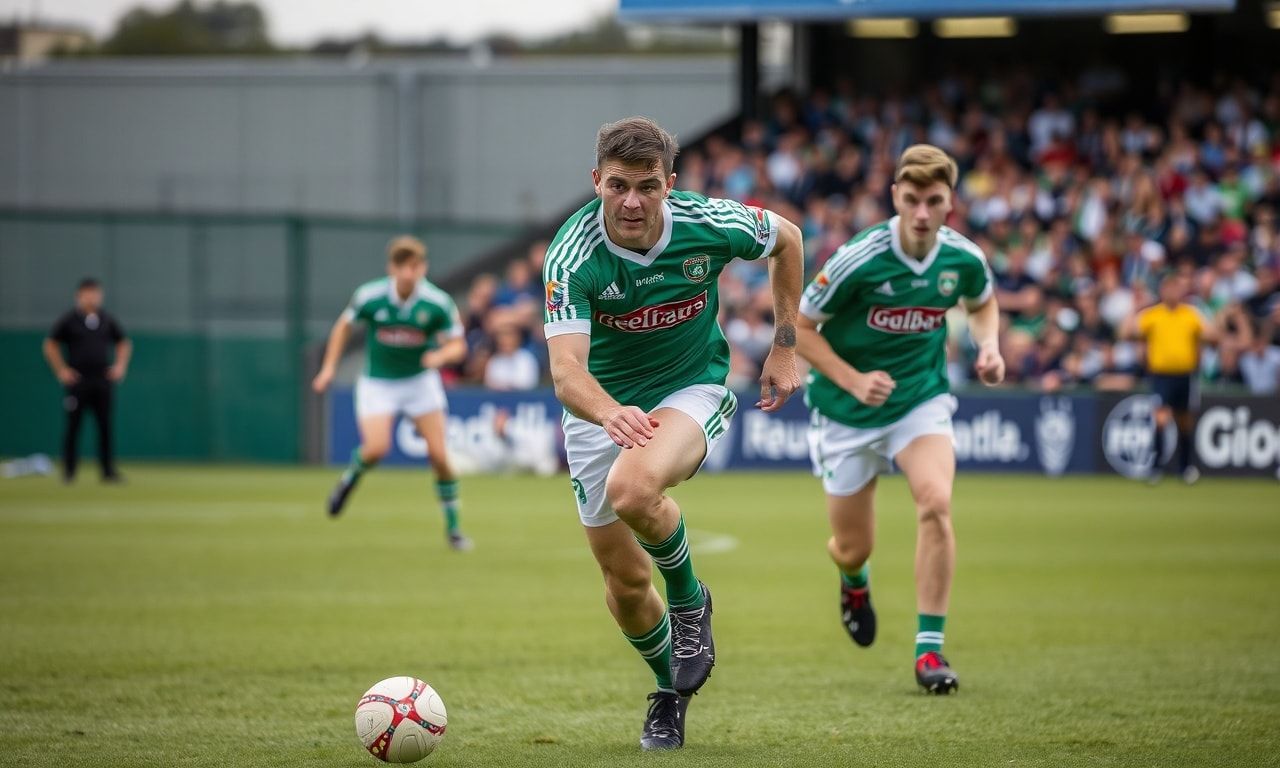
The Origins and History of Gaelic Football
Gaelic football, a sport deeply ingrained in Irish culture, has a history that dates back centuries. The game, as we know it today, was formalized by the Gaelic Athletic Association (GAA) in 1884. However, its roots can be traced back to ancient Ireland, where various forms of football were played. The sport has evolved significantly over the years, blending traditional elements with modern rules to create a unique and dynamic game.
Initially, Gaelic football was a way for communities to come together, fostering a sense of camaraderie and competition. The game was played with minimal rules, often involving large numbers of players and a simple objective: to score goals. Over time, the sport became more structured, with the GAA introducing standardized rules in the late 19th century. This formalization helped Gaelic football gain popularity not only in Ireland but also among the Irish diaspora worldwide.
The Rules and Gameplay of Gaelic Football
Gaelic football is played between two teams of 15 players each, with the objective being to score more points than the opposing team. Points can be scored by either kicking or punching the ball into the opponent’s net for a goal, which is worth three points, or by kicking the ball over the crossbar for a single point. The game is played on a rectangular field, typically larger than a soccer pitch, with goalposts similar to those used in rugby.
The gameplay is fast-paced and physical, with players allowed to carry, bounce, or kick the ball. However, they cannot hold the ball for more than four steps before either bouncing it or soloing it (balancing the ball on a foot and kicking it). The sport also features a distinctive feature known as the ‘mark,’ where a player who catches the ball from a kick-out or a 45-meter free kick is awarded a free kick from the spot where the catch was made.
The Physical and Mental Demands of Gaelic Football
Gaelic football is a sport that demands both physical and mental prowess. Players need to be in excellent physical condition to withstand the rigors of the game, which includes intense running, tackling, and jumping. The sport requires a high level of fitness, with players often covering distances of up to 8-10 kilometers during a match. Additionally, the game’s physical nature means that players must be adept at handling collisions and maintaining their composure under pressure.
Mentally, Gaelic football players need to be strategic and quick-thinking. The game’s fast pace and unpredictable nature require players to make split-second decisions, often under intense pressure. This mental agility is crucial for success, as players must be able to read the game, anticipate their opponents’ moves, and adapt their strategies accordingly. The sport also fosters teamwork and communication, as players must work together to execute plays and outmaneuver their opponents.
The Impact of Gaelic Football on Irish Culture and Society
Gaelic football is more than just a sport in Ireland; it is a cultural phenomenon that brings communities together and fosters a sense of national identity. The sport is deeply rooted in Irish heritage, with its traditions and rituals playing a significant role in the country’s cultural landscape. Gaelic football matches, particularly those involving county teams, are major social events that attract large crowds and generate a sense of pride and unity among fans.
The sport also has a significant impact on Irish society, promoting values such as teamwork, discipline, and respect. Gaelic football clubs often serve as community hubs, providing a space for people of all ages and backgrounds to come together and engage in physical activity. The sport’s inclusive nature means that it is accessible to everyone, regardless of their skill level or background, making it a powerful tool for social integration and community building.
Moreover, Gaelic football has gained international recognition, with the sport attracting players and fans from around the world. The GAA’s efforts to promote the sport globally have led to the establishment of Gaelic football clubs in various countries, including the United States, Canada, and Australia. This international reach has helped to spread Irish culture and heritage, fostering a sense of connection among the Irish diaspora and promoting cross-cultural understanding.
The Role of Media in Promoting Gaelic Football
The media plays a crucial role in promoting Gaelic football and bringing the sport to a wider audience. Television broadcasts, online streaming, and social media platforms have made it easier for fans to follow their favorite teams and stay updated on the latest news and developments. Websites like crime news report today also provide coverage of Gaelic football, highlighting the sport’s impact on Irish society and culture.
Television broadcasts of Gaelic football matches, particularly those involving county teams, attract large audiences and generate significant revenue for the sport. These broadcasts not only provide entertainment but also serve as a platform for promoting the values and traditions of Gaelic football. Online streaming and social media platforms have further expanded the sport’s reach, allowing fans from around the world to watch matches and engage with their favorite teams and players.
The Future of Gaelic Football
The future of Gaelic football looks bright, with the sport continuing to evolve and attract new fans. The GAA’s efforts to promote the sport globally and engage with younger generations have helped to ensure its long-term sustainability. Additionally, the sport’s inclusive nature and emphasis on community building make it a powerful tool for fostering social cohesion and promoting healthy lifestyles.
As Gaelic football continues to grow and evolve, it will undoubtedly face new challenges and opportunities. However, its deep roots in Irish culture and heritage, combined with its emphasis on teamwork, discipline, and respect, will ensure that it remains a vital part of Irish society for generations to come. Whether you are a seasoned fan or a newcomer to the sport, Gaelic football offers a unique and exciting experience that is sure to captivate and inspire.
Dive into the thrilling world of sports with our latest piece, sport’s greatest modern challenges, where we dissect the hurdles and triumphs shaping today’s athletic landscape.
Stay ahead of the game this summer with the latest fashion trends that combine style and performance, perfect for athletes and fitness enthusiasts alike; check out summer’s boldest fashion statements.
As athletes and coaches increasingly turn to online platforms for training and strategy, understanding the importance of securing digital learning spaces becomes crucial for maintaining trust and safety in the sports community.