

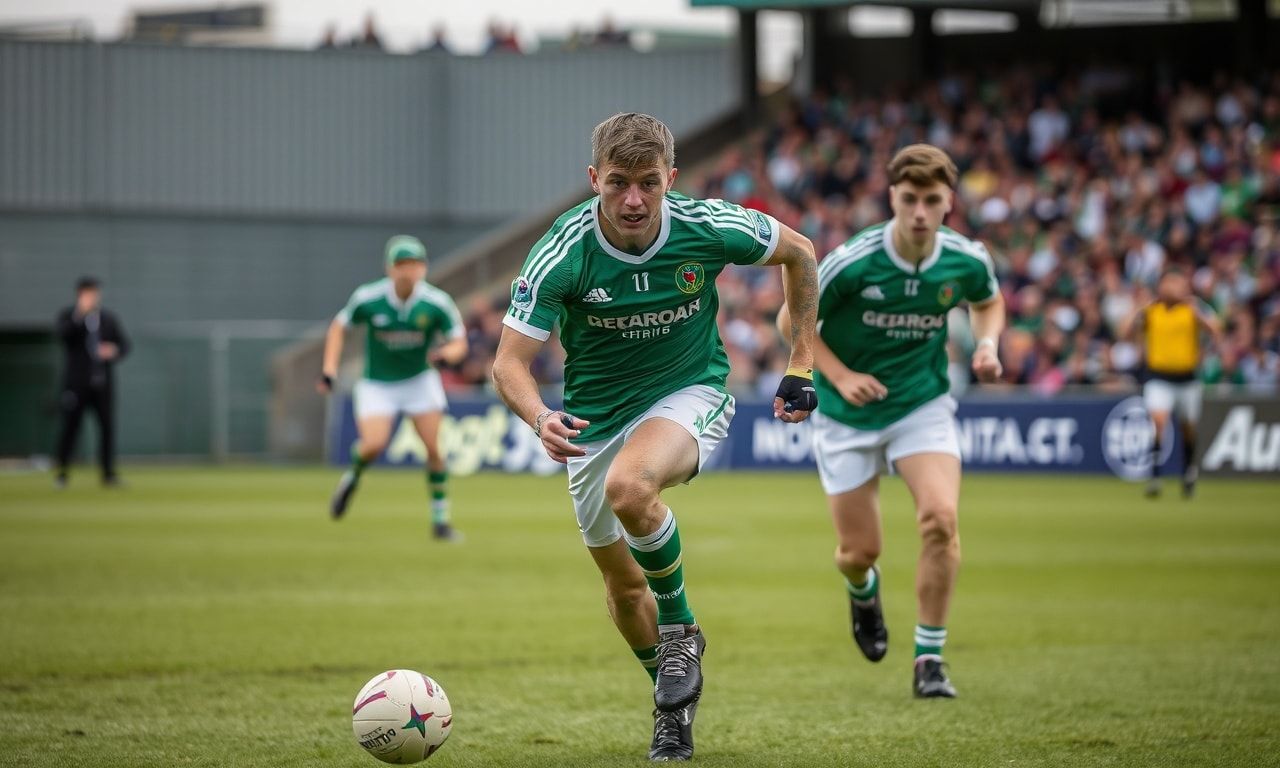
The Origins and History of Gaelic Football
Gaelic football, a sport deeply ingrained in Irish culture, has a history that dates back centuries. The game’s origins can be traced to ancient Ireland, where various forms of ball games were played. The modern version of Gaelic football began to take shape in the mid-19th century, with the establishment of the Gaelic Athletic Association (GAA) in 1884. This organization played a pivotal role in standardizing the rules and promoting the sport across Ireland.
The GAA’s mission was not just to create a sport but to preserve Irish culture and identity during a time when British influence was strong. Gaelic football, along with hurling, became a symbol of Irish resistance and pride. The sport’s unique blend of skills from various traditional games made it a beloved pastime for many.
Today, Gaelic football is played at both amateur and professional levels, with the All-Ireland Senior Football Championship being the most prestigious competition. This tournament attracts thousands of spectators each year, showcasing the best teams from across Ireland. The sport’s popularity has also spread to other countries, with clubs and leagues forming in places like the United States, Canada, and Australia.
The Rules and Gameplay
Gaelic football is played between two teams of 15 players each, with the objective of scoring more points than the opposing team. The game is played on a rectangular field, typically the same size as a soccer pitch. The field is marked with goalposts at each end, which are similar to those used in rugby. The goalposts consist of two vertical posts with a crossbar, and the area between the posts is the goal.
Points can be scored in several ways. A goal, worth three points, is scored when the ball is kicked or punched into the net. A point, worth one point, is scored when the ball is kicked or punched over the crossbar. Players can carry, bounce, or solo the ball (a technique where the ball is balanced on the foot and kicked into the hand) for a maximum of four steps before they must pass, kick, or solo again.
The game is divided into two halves of 30 minutes each, with a half-time break of up to 15 minutes. The referee is responsible for enforcing the rules and ensuring fair play. Fouls, such as tripping, pushing, or holding an opponent, are penalized with a free kick or a penalty, depending on the severity of the infraction.
The Physical and Mental Demands
Gaelic football is a physically demanding sport that requires a combination of strength, speed, and endurance. Players need to be in excellent physical condition to handle the rigorous nature of the game. Training typically includes a mix of cardiovascular exercises, strength training, and skill drills. Players must also be agile and have good hand-eye coordination to excel in the game.
In addition to physical fitness, mental toughness is crucial in Gaelic football. The game’s fast pace and unpredictable nature require players to think quickly and make strategic decisions under pressure. Teamwork and communication are also essential, as players must work together to outmaneuver their opponents and create scoring opportunities.
Injuries are not uncommon in Gaelic football, given the physical nature of the sport. Common injuries include sprains, strains, and fractures. Players are encouraged to wear appropriate protective gear, such as mouthguards and shin guards, to minimize the risk of injury. Proper warm-up and cool-down routines are also important to prevent injuries and ensure optimal performance.
The Cultural Significance
Gaelic football is more than just a sport; it is a cultural phenomenon that brings communities together. The sport is deeply rooted in Irish identity and has played a significant role in preserving Irish culture and heritage. Gaelic football matches are often accompanied by traditional music, dance, and festivities, creating a vibrant and lively atmosphere.
The GAA has been instrumental in promoting Irish culture and language through the sport. Many GAA clubs organize cultural events and activities that celebrate Irish traditions and values. These events provide an opportunity for people of all ages to connect with their Irish heritage and learn about the country’s rich history.
Gaelic football has also been a source of inspiration for many artists, writers, and musicians. The sport’s unique blend of skill, strategy, and passion has been captured in various forms of art, from paintings and sculptures to songs and poems. The sport’s cultural significance is evident in the way it has inspired and influenced generations of Irish people.
Transportation and Community
For many communities, Gaelic football is a way of life. The sport brings people together, fostering a sense of belonging and camaraderie. Local clubs often serve as community hubs, providing a space for people to gather, socialize, and support their local teams. The sport’s popularity has also led to the development of infrastructure, such as sports facilities and public transportation, to accommodate the needs of players and spectators.
In cities like Dundee, the sport’s popularity has led to increased demand for public transportation services. Fans traveling to matches often rely on public transport to get to and from the stadiums. For the latest updates on public transportation services in Dundee, be sure to check out the Dundee public transport news update.
The Future of Gaelic Football
The future of Gaelic football looks bright, with the sport continuing to grow in popularity both in Ireland and abroad. The GAA is committed to promoting the sport and expanding its reach to new audiences. Efforts are being made to increase participation at all levels, from grassroots to elite, and to provide more opportunities for players to develop their skills and achieve their goals.
Innovations in technology and training methods are also helping to improve the quality of the game. Advanced equipment and data analytics are being used to enhance player performance and reduce the risk of injury. The GAA is also investing in the development of new facilities and infrastructure to support the growth of the sport.
As Gaelic football continues to evolve, it remains a symbol of Irish culture and identity. The sport’s unique blend of skill, strategy, and passion continues to captivate audiences and inspire new generations of players. Whether you’re a seasoned fan or a newcomer to the sport, Gaelic football offers an exciting and rewarding experience that celebrates the best of Irish culture.
Discover the inspiring story behind Ethiopia’s athletic prowess in Ethiopia’s journey to greatness, a must-read for sports enthusiasts and fitness fans alike.
Discover how athletes are transforming communities through their impactful initiatives in our engaging piece, athletes making a real difference.
Discover how fitness and team play are revolutionizing Norwegian athletes in the new era of sports, offering a fresh perspective on athletic performance and camaraderie.