

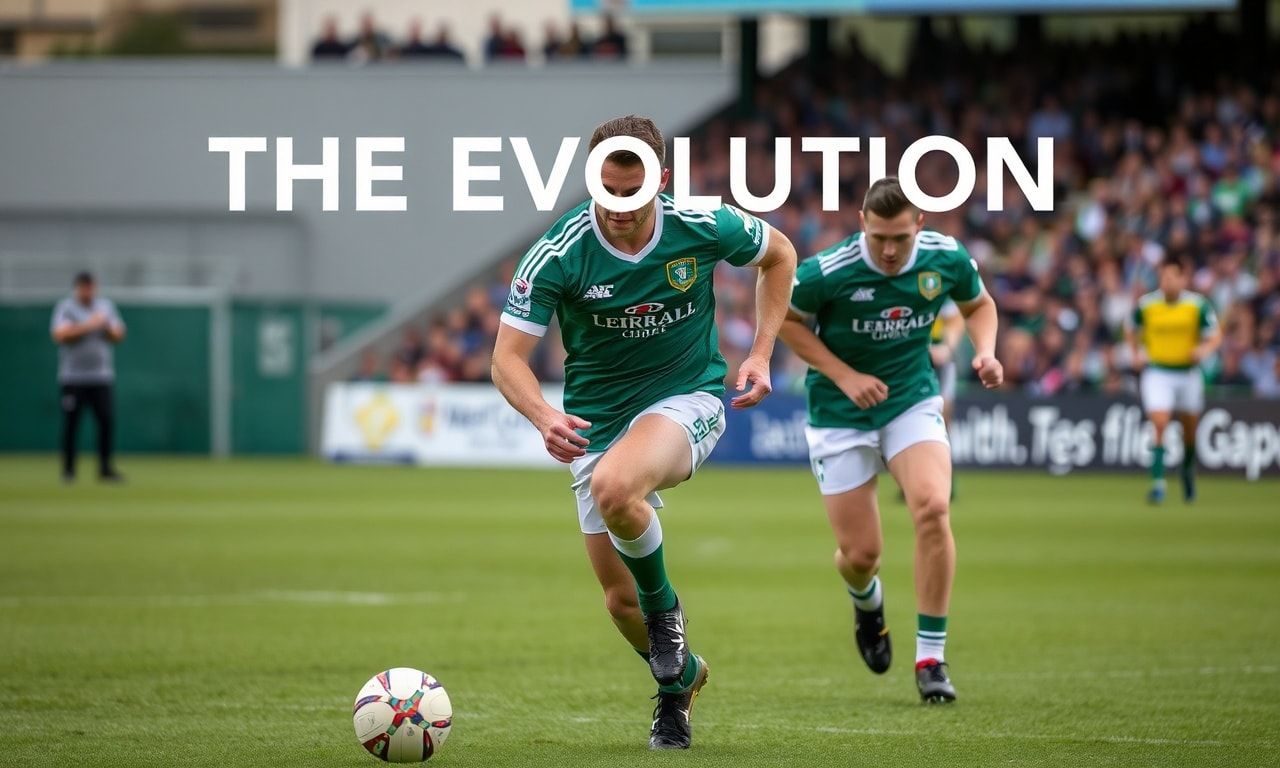
The Rich History of Gaelic Football
Gaelic football, a sport that embodies the spirit and heritage of Ireland, has a rich history that dates back centuries. Originating from ancient Irish ball games, it has evolved into a dynamic and strategic sport that captivates audiences worldwide. In Dublin, the sport is more than just a game; it’s a cultural phenomenon that brings communities together. The Dublin GAA (Gaelic Athletic Association) has played a pivotal role in promoting and preserving this traditional sport, ensuring its legacy continues to thrive.
The early forms of Gaelic football were quite different from the modern game we know today. Initially, it was a chaotic and often violent sport with few rules. However, the establishment of the Gaelic Athletic Association in 1884 brought structure and standardization to the game. The GAA’s mission was to promote Irish nationalistic ideals and preserve traditional Irish sports. This marked the beginning of a new era for Gaelic football, transforming it into a more organized and regulated sport.
Over the years, the rules of Gaelic football have been refined to enhance the game’s fairness and excitement. The introduction of the black spot rule, which awarded a free kick for fouls, and the standardization of the playing field dimensions, have all contributed to the game’s evolution. Today, Gaelic football is governed by a comprehensive set of rules that ensure a balanced and competitive game. The sport’s unique blend of soccer, rugby, and traditional Irish ball games makes it a thrilling spectacle to watch and play.
The Impact of Gaelic Football on Dublin’s Culture
Gaelic football has had a profound impact on Dublin’s cultural landscape. It serves as a unifying force, bringing together people from all walks of life. The sport fosters a sense of community and pride, with local clubs and schools playing a crucial role in nurturing young talent. The annual All-Ireland Senior Football Championship is a highlight of the sporting calendar, drawing massive crowds and generating immense excitement. For many Dubliners, supporting their local team is a cherished tradition passed down through generations.
The influence of Gaelic football extends beyond the playing field. It has inspired art, literature, and music, becoming an integral part of Dublin’s cultural identity. The sport’s deep-rooted connection to Irish history and heritage makes it a symbol of national pride. The camaraderie and sportsmanship displayed in Gaelic football games reflect the values and spirit of the Irish people. It is a testament to the sport’s enduring legacy and its ability to bring people together.
In addition to its cultural significance, Gaelic football has also contributed to the local economy. Major tournaments and matches attract tourists from around the world, boosting the hospitality and tourism industries. The sport’s popularity has led to the development of state-of-the-art facilities and training centers, providing opportunities for athletes to excel and reach their full potential. The economic impact of Gaelic football is a testament to its importance and the passion it ignites in the hearts of Dubliners.
The Role of Local News in Keeping Fans Informed
Staying informed about the latest developments in Gaelic football is essential for fans and enthusiasts. Local news updates today play a crucial role in keeping the community informed about upcoming matches, player transfers, and team strategies. Websites like local news updates today provide comprehensive coverage of Gaelic football events, ensuring that fans never miss a beat. These platforms offer in-depth analysis, expert opinions, and real-time updates, making them invaluable resources for sports enthusiasts.
Local news outlets also highlight the achievements of local clubs and players, celebrating their successes and milestones. They provide a platform for fans to engage with their favorite teams and players, fostering a sense of connection and loyalty. The coverage of Gaelic football in local news helps to build a stronger community around the sport, uniting fans and creating a shared sense of pride and excitement. Whether it’s a thrilling match report or an interview with a star player, local news keeps the spirit of Gaelic football alive and thriving.
The Future of Gaelic Football in Dublin
The future of Gaelic football in Dublin looks bright, with a new generation of talented players emerging and captivating audiences. The sport continues to evolve, embracing new technologies and training methods to enhance performance and safety. The Dublin GAA is committed to promoting the sport at all levels, from grassroots to professional, ensuring that Gaelic football remains accessible and enjoyable for everyone. Initiatives such as youth programs, coaching clinics, and community events are helping to nurture young talent and foster a love for the game.
Innovations in sports science and technology are also shaping the future of Gaelic football. Advanced training techniques, data analytics, and performance tracking are being used to improve player performance and reduce the risk of injuries. The integration of technology in the sport is enhancing the overall experience for players and fans alike. From virtual reality training to wearable technology, these advancements are revolutionizing the way Gaelic football is played and enjoyed. The future of the sport is not only about winning matches but also about creating a sustainable and inclusive environment for all participants.
The global appeal of Gaelic football is also expanding, with international tournaments and exhibitions showcasing the sport’s unique charm and excitement. The Dublin GAA is actively promoting the sport on a global scale, forging partnerships with international organizations and hosting events that attract a diverse audience. The growing interest in Gaelic football worldwide is a testament to its universal appeal and the passion it inspires in people from all backgrounds. As the sport continues to gain recognition, it is poised to become a global phenomenon, uniting people through the shared love of the game.
Conclusion
Gaelic football is more than just a sport; it is a cultural icon that embodies the spirit and heritage of Dublin. Its rich history, cultural significance, and global appeal make it a beloved and cherished tradition. The sport’s ability to bring communities together and inspire future generations is a testament to its enduring legacy. As Gaelic football continues to evolve and thrive, it remains a symbol of pride and unity for Dubliners and Irish people around the world. The future of the sport looks promising, with innovations and initiatives that will ensure its continued success and growth. Whether you’re a die-hard fan or a casual enthusiast, Gaelic football offers an exhilarating and unforgettable experience that captures the essence of Irish culture and tradition.