

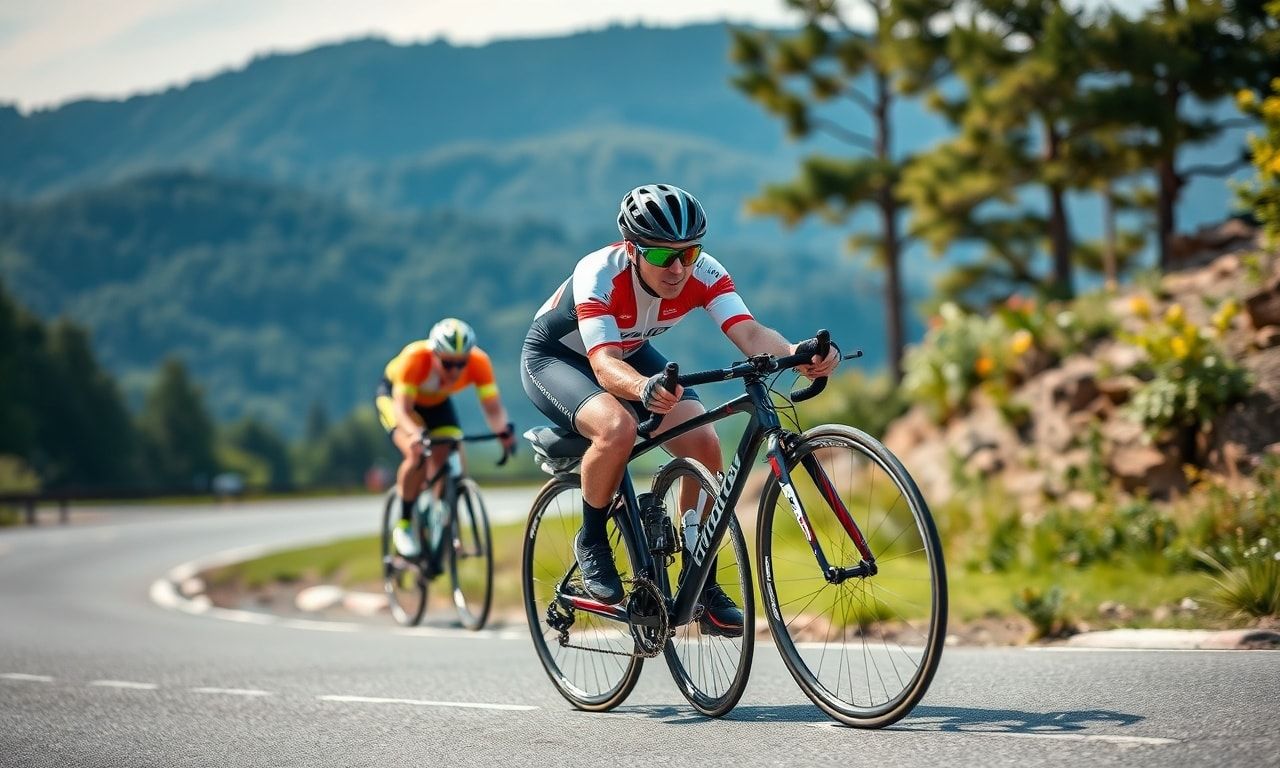
The Rise of Cycling in the Sports Arena
Cycling has come a long way from being a mere leisure activity to becoming a significant part of the sports arena. With the advent of professional cycling teams and high-stakes competitions like the Tour de France, cycling has carved out a niche for itself in the world of sports. The evolution of cycling as a sport is a testament to human ingenuity and the relentless pursuit of excellence.
The Impact of Technology on Cycling
Technology has played a pivotal role in transforming cycling into a high-performance sport. From the development of lightweight frames to the introduction of advanced gear systems, technological advancements have revolutionized the way cyclists train and compete. One such innovation is the electric bicycle, which has gained popularity among both amateur and professional cyclists. These bikes, often referred to as e-bikes, are equipped with electric motors that provide assistance to the rider, making it easier to tackle challenging terrains. For those interested in exploring this technology further, understanding the elektrikli bisiklet sigorta şartnamesi is essential to ensure a safe and enjoyable riding experience.
The Role of Electric Bikes in Modern Cycling
Electric bikes have become a game-changer in the world of cycling. They offer a unique blend of traditional cycling and modern technology, making them an attractive option for a wide range of riders. Whether you are a fitness enthusiast looking to add some variety to your workouts or a commuter seeking a more efficient way to navigate through traffic, e-bikes provide a versatile solution. Additionally, they are an excellent choice for individuals recovering from injuries or those who require a bit of extra assistance to enjoy the benefits of cycling.
Training and Nutrition for Cyclists
To excel in the sport of cycling, athletes must focus on both training and nutrition. A well-rounded training regimen should include a mix of endurance rides, interval training, and strength workouts. Endurance rides help build stamina and prepare cyclists for long-distance races, while interval training improves speed and power. Strength workouts, on the other hand, enhance overall fitness and reduce the risk of injuries. Nutrition is equally important, as it provides the necessary fuel for intense training sessions and aids in recovery. Cyclists should consume a balanced diet rich in carbohydrates, proteins, and healthy fats to maintain optimal performance.
Essential Nutrients for Cyclists
Carbohydrates are the primary source of energy for cyclists, as they are easily converted into glucose, which fuels the muscles during exercise. Complex carbohydrates, such as whole grains, fruits, and vegetables, should make up the bulk of a cyclist’s diet. Proteins are crucial for muscle repair and growth, and lean sources like chicken, fish, and legumes are excellent choices. Healthy fats, found in avocados, nuts, and olive oil, support heart health and provide sustained energy. Hydration is also key, as even mild dehydration can impair performance and increase the risk of heat-related illnesses.
The Future of Cycling in Sports
The future of cycling in sports looks promising, with ongoing advancements in technology and a growing emphasis on sustainability. As more people recognize the benefits of cycling for both physical and mental health, the sport is likely to gain even more popularity. Additionally, the increasing awareness of environmental issues has led to a surge in interest in eco-friendly transportation options, with cycling being a top contender. With continued innovation and a focus on promoting a healthy lifestyle, cycling is poised to remain a significant part of the sports landscape for years to come.
Promoting Cycling as a Sustainable Sport
Promoting cycling as a sustainable sport involves educating the public about its environmental benefits and encouraging more people to adopt it as a mode of transportation. Governments and organizations can play a crucial role in this effort by investing in cycling infrastructure, such as bike lanes and bike-sharing programs. Additionally, promoting cycling as a fun and accessible activity can help attract a broader audience and foster a sense of community among cyclists. By working together, we can ensure that cycling continues to thrive as a sustainable and enjoyable sport.
As athletes and fitness enthusiasts, we’re always pushing our limits, but let’s not forget to push for a greener planet too! Check out our latest piece on sustainable living tips to fuel your passion for both performance and the environment.
Dive into the thrilling journey of cycling’s transformation from a leisurely pastime to a fierce competitive sport with our latest feature, cycling’s competitive rise, and discover how it’s reshaping the athletics landscape.
Discover how modern innovation is reshaping athletic performance with electric bikes in sports, a fascinating look at the latest trends in competitive fitness.