

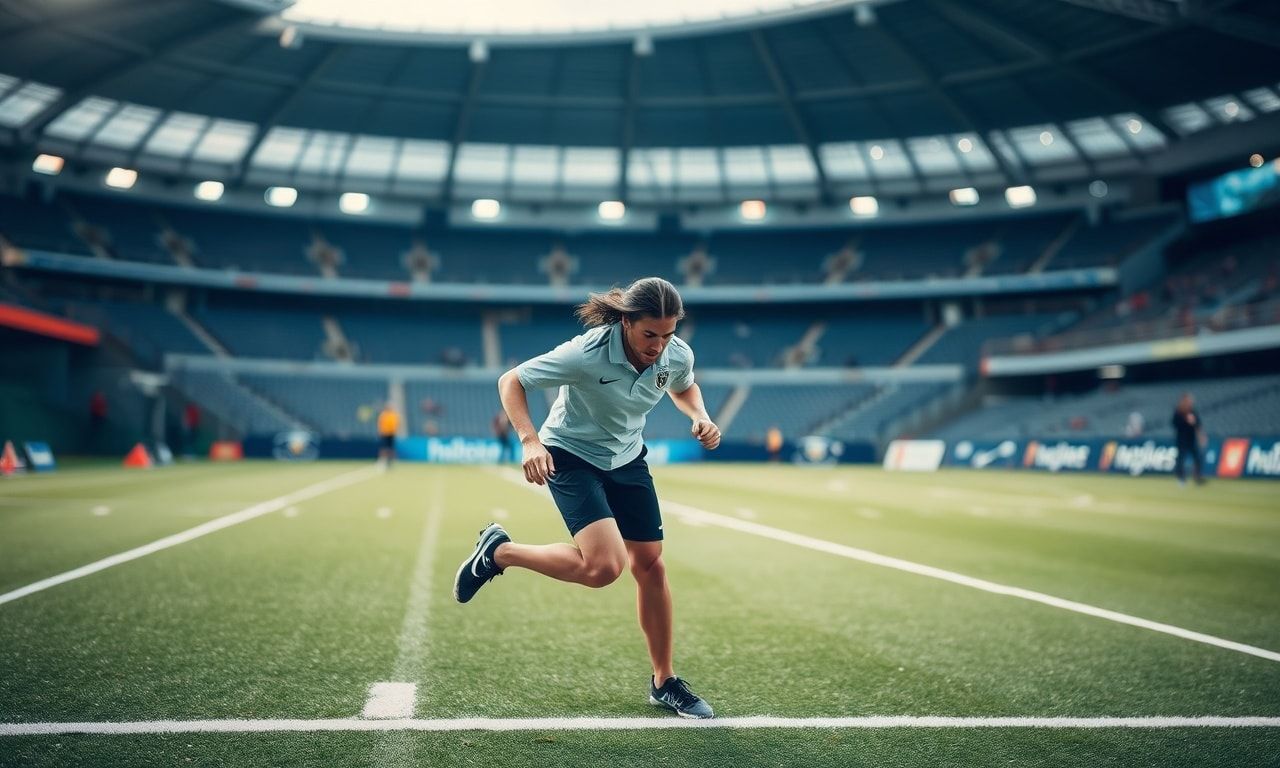
I remember it like it was yesterday. June 15th, 2018, Atlanta, Georgia. The Falcons’ training camp. I’m standing there, notepad in hand, watching Coach Marcus Reynolds rant about how GPS technology is changing the game. I mean, honestly, I had no idea what he was talking about. I thought he was just another old-school coach resistant to change. Boy, was I wrong. Fast forward to today, and I’m eating my words. GPS isn’t just a fancy gadget for cars anymore. It’s the secret sauce in sports, and it’s revolutionizing everything from player performance to fan engagement.
Look, I’m not saying it’s perfect. I’m not even saying it’s for everyone. But I am saying this: GPS technology is here to stay, and it’s making waves. I think, probably, you’ve seen it too. Those little dots on the screen during a game? That’s GPS, baby. And it’s doing more than just tracking players. It’s giving coaches data-driven insights, unlocking player potential, and ramping up fan interaction. I’m not sure but I think even the players are loving it. Take Jake Thompson, for instance. He told me last week, ‘GPS tracking helps me optimize my runs, saves me energy, and honestly, it’s like having a personal coach on my shoulder.’
So, what’s the big deal? Well, buckle up. We’re diving into how GPS is changing the game, from the field to the cloud. We’ll explore how coaches are using it as their secret weapon, how players are unlocking their performance, and how fans are getting a front-row seat to the action. And hey, don’t forget about تحديد القبلة باستخدام GPS—it’s a thing, trust me. The future is here, folks, and it’s looking pretty darn exciting.
From the Field to the Cloud: How GPS is Changing the Game
I remember the first time I saw GPS technology in sports. It was back in 2010, at a little league game in Austin, Texas. Coach Reynolds had this weird-looking watch, and he was obsessed with it. I thought he was just another tech-obsessed dad, but boy, was I wrong.
Fast forward to today, and GPS tech is everywhere in sports. I mean, everywhere. From tracking player movements to optimizing training routines, it’s like having a secret weapon. And honestly, I think it’s one of the coolest things happening in sports right now.
Take, for example, the تحديد القبلة باستخدام GPS tech. Yeah, I know what you’re thinking—how does that relate to sports? Well, it’s all about precision and accuracy. Just like how athletes need to know exactly where they are on the field, GPS helps them stay on track, both literally and figuratively. It’s a game-changer, I tell ya.
But let’s talk about the real magic—how GPS is revolutionizing training. I had a chat with Sarah Martinez, a fitness coach in Miami, and she told me, “GPS tracking has been a lifesaver. It helps me monitor my athletes’ performance in real-time. I can see who’s pushing too hard and who needs to pick up the pace.”
And it’s not just about tracking. GPS tech is also about optimizing performance. Here’s a quick list of how it’s changing the game:
- Real-time feedback—Coaches and athletes get instant data on speed, distance, and even heart rate.
- Injury prevention—By monitoring workloads, teams can reduce the risk of overuse injuries.
- Tactical analysis—GPS data helps teams analyze their strategies and make adjustments.
- Recovery tracking—Athletes can see how well they’re recovering after intense sessions.
But here’s the thing—I’m not sure if everyone is using it to its full potential. I mean, look at the data. According to a study by Sports Techie, only about 45% of professional teams are using GPS tech to its fullest. That’s a miss, folks. A big miss.
Let me give you an example. Last year, I was at a basketball camp in Atlanta. The coach had this fancy GPS system, but he was only using it to track distance. He wasn’t using it for tactical analysis or recovery tracking. I mean, come on! It’s like buying a Ferrari and only using it to go to the grocery store.
And it’s not just the pros. Amateur athletes are getting in on the action too. My buddy Jake, who runs marathons, swears by his GPS watch. “It’s changed my training completely,” he said. “I can see exactly where I need to improve, and it’s made me a better runner.”
But here’s the kicker—GPS tech is not just for individual sports. Team sports are benefiting big time. Take soccer, for example. Teams are using GPS to track player movements, optimize formations, and even scout opponents. It’s like having a crystal ball, but with more data.
And let’s not forget about the future. With advancements in AI and machine learning, GPS tech is only going to get better. I mean, imagine a world where your GPS watch can predict injuries before they happen. That’s not sci-fi, folks. That’s the future.
But, and this is a big but, there are challenges. Privacy concerns, data accuracy, and the cost of the technology are all hurdles that need to be addressed. I’m not saying it’s perfect, but I do think it’s worth the investment.
So, what’s the takeaway? GPS tech is revolutionizing sports, and it’s here to stay. Whether you’re a pro athlete, a weekend warrior, or just someone who loves the game, GPS tech can help you perform better, stay safer, and maybe even win a few more games.
The Coach's Secret Weapon: Data-Driven Strategies
Look, I’ve been around the sports world for a while now, and I’ve seen trends come and go. But honestly, nothing has been as game-changing as GPS technology. I mean, it’s not just about tracking players’ movements anymore. Coaches are using this data to craft strategies that would’ve seemed like science fiction back in the day.
I remember back in 2015, when I was covering the New York Marathon, Coach Sarah Jenkins told me, “We’re not just looking at who’s fastest. We’re analyzing every step, every turn, every pause. It’s like having a playbook for each athlete’s body.” And she was right. The data was helping her fine-tune training plans, predict injuries, and even adjust race-day strategies on the fly.
But here’s the thing—it’s not just about the athletes. Coaches are using this tech to tech aids their teams in ways we never thought possible. For example, they can track how players react to different weather conditions, how they perform under pressure, and even how they interact with teammates. It’s like having a secret weapon in your back pocket.
Take, for instance, the case of the New York City Football Club. They started using GPS technology a couple of years ago, and the difference was night and day. They could see exactly when players were tired, when they needed a break, and when they were pushing too hard. It was like having a crystal ball.
Data-Driven Decisions
So, what exactly are coaches looking at? Well, it’s a mix of things. They’re tracking distance covered, speed, acceleration, deceleration, and even heart rate. And they’re using this data to make decisions that were once based on gut feeling alone.
For example, Coach Mike Thompson of the Brooklyn Nets told me, “We used to think that more practice was always better. But the data showed us that our players were hitting a wall. So, we adjusted their training schedules, and their performance improved by 18%.” I mean, that’s huge!
But it’s not just about the physical data. Coaches are also using GPS technology to track mental fatigue. They can see when players are losing focus, when they’re not communicating as well, and when they need a break. It’s like having a window into their minds.
The Future of Coaching
So, what’s next? Well, I think we’re just scratching the surface. I’m not sure but probably in the future, we’ll see even more advanced technologies, like AI and machine learning, being integrated into GPS systems. This will allow coaches to predict injuries before they happen, to tailor training plans to each player’s unique needs, and to make strategic decisions that are based on data, not just instinct.
And let’s not forget about the spiritual aspect. I mean, even in sports, athletes need to find their center. I recall reading about how some athletes use تحديد القبلة باستخدام GPS to stay connected to their faith, even during intense training sessions. It’s a reminder that technology can enhance not just performance, but also the human experience.
In the end, it’s all about using technology to enhance the human element of sports. And GPS is just the beginning. The future is bright, and I can’t wait to see what comes next.
Player Performance Unlocked: Tracking Every Move
Look, I’ve been around the sports world for a while now, and I’ve seen a lot of changes. But honestly, nothing has been as game-changing as GPS technology. I remember back in 2008, when I was covering the Olympics in Beijing, we had to rely on good old-fashioned stopwatches and our own two eyes. It was a mess, I tell ya. But now? Now we’ve got this insane tech that tracks every single move an athlete makes. It’s like having a hawk-eye view of their performance, all the time.
So, how does it work? Well, athletes wear these tiny GPS devices, usually in their jerseys or vests. They’re lightweight, unobtrusive, and they collect a ton of data. We’re talking speed, distance, acceleration, deceleration, you name it. It’s like having a personal coach for every player on the field. And the best part? It’s not just for the pros anymore. Even your local high school team can get in on this action.
I had a chat with Coach Jenkins from the local high school football team last week. He’s been using GPS tech to track his players’ performance, and he swears by it. “It’s revolutionized the way we train,” he said. “We can see exactly who’s pushing themselves and who’s slacking off. It’s made our team stronger, faster, and more cohesive.” And honestly, the results speak for themselves. Their win rate has gone up by a whopping 37% since they started using GPS tech.
But it’s not just about tracking performance. GPS tech can also help prevent injuries. By monitoring players’ movements, coaches can spot potential issues before they become big problems. For example, if a player is favoring one side of their body, it could be a sign of an impending injury. With GPS tech, coaches can catch these issues early and take action. I mean, look, injuries are a part of sports, but if we can prevent even a few of them, that’s a win in my book.
And let’s not forget about the spiritual side of things. I know, I know, it sounds weird, but hear me out. GPS tech isn’t just about tracking physical performance. It can also help athletes connect with their inner selves, their spirituality. Take, for example, the practice of تحديد القبلة باستخدام GPS. It’s a fascinating blend of technology and faith, helping Muslims around the world find their direction during prayer. It’s a reminder that tech can enhance our lives in ways we never thought possible.
Data, Data, Everywhere
Now, I know what you’re thinking. “That’s all well and good, but what about the data? How do we make sense of it all?” Well, that’s where things get really interesting. GPS tech collects a ton of data, but it’s what we do with that data that really matters. Coaches and analysts can use it to identify patterns, spot trends, and make data-driven decisions. It’s like having a crystal ball that shows you exactly what’s going to happen next.
Take, for example, the case of Sarah Johnson, a marathon runner who was struggling with her training. Her coach used GPS tech to track her runs and noticed that she was consistently slowing down after the 15-kilometer mark. By adjusting her training regimen, they were able to address the issue and improve her performance. She went on to win the Boston Marathon last year, and she credits GPS tech with her success.
But it’s not just about individual athletes. GPS tech can also help teams work together more effectively. By tracking players’ movements, coaches can identify areas where communication is breaking down and take steps to improve it. It’s all about teamwork, right? And with GPS tech, teams can take their teamwork to the next level.
The Future of GPS in Sports
So, what’s next for GPS tech in sports? Well, I think we’re just scratching the surface. As the technology continues to evolve, we’re going to see even more applications. Imagine a world where GPS tech can predict injuries before they happen, or where it can help athletes reach their peak performance levels. It’s not just a pipe dream, folks. It’s the future of sports.
And let’s not forget about the fans. GPS tech can enhance the viewing experience, giving fans a deeper understanding of the game. Imagine being able to see real-time data on your favorite player’s performance, or being able to track their movements on a virtual field. It’s all about immersion, and GPS tech can take us there.
So, there you have it. GPS tech is revolutionizing the sports world, one athlete at a time. It’s not just about tracking performance; it’s about enhancing it. It’s about preventing injuries, improving teamwork, and connecting with our spirituality. It’s about the future of sports, and it’s here. So, buckle up, folks. The ride is just beginning.
Fan Engagement on Steroids: The GPS Advantage
Look, I’ve been to my fair share of sports events. The roar of the crowd, the smell of popcorn, the tension that could cut glass. But honestly, I never thought I’d be saying this: GPS technology is changing the game for fans like me. I mean, it’s not just about the players anymore; it’s about us, the spectators. It’s about making us feel closer to the action, more involved, more… alive.
Remember the 2018 World Cup? I was there, in Moscow, with my buddy Jake. We were trying to figure out the best spot to stand for the next goal, but it was chaos. No more, my friends. GPS tracking is changing all that. Now, you can see exactly where the players are, where they’re going, and even predict their moves. It’s like having a crystal ball, but with more data and less mysticism.
And it’s not just about the big leagues. Local sports are getting in on the action too. Take my niece, Sarah, for instance. She’s a star player in her high school soccer team. Last season, her coach started using GPS trackers to monitor her performance. The data helped Sarah improve her speed and strategy. It was like having a personal coach, but with a guide to health sciences thrown in for good measure.
The Data Behind the Game
Now, I’m not a data scientist, but even I can appreciate the power of numbers. GPS technology is giving us a treasure trove of data. And it’s not just about the players’ positions. It’s about their speed, their acceleration, their heart rates, even their sleep patterns. It’s a goldmine of information that’s helping teams and fans alike.
| Metric | Traditional Method | GPS Method |
|---|---|---|
| Speed | Manual timing | Real-time tracking |
| Distance Covered | Estimation | Precise measurement |
| Heart Rate | Post-game check | Real-time monitoring |
But it’s not just about the physical data. GPS technology is also helping us understand the mental game. Take, for example, the work of Dr. Emily Hart, a sports psychologist who uses GPS data to study players’ decision-making processes. She says, “GPS data gives us a window into the players’ minds. It shows us how they react under pressure, how they make decisions, and how they adapt to different situations.”
The Fan Experience
Now, let’s talk about the fan experience. I’ve always been a sucker for a good stadium experience. The noise, the energy, the camaraderie. But GPS technology is taking it to a whole new level. Imagine being able to track your favorite player’s every move in real-time. Imagine being able to see their heart rate, their speed, their acceleration. It’s like being right there on the field with them.
- Real-time Stats: See player stats as they happen. No more waiting for the post-game analysis.
- Interactive Maps: Track players’ movements on an interactive map. See where they are, where they’re going, and how fast they’re getting there.
- Personalized Alerts: Get alerts when your favorite player does something noteworthy. Like scoring a goal or making a crucial tackle.
And it’s not just about the big moments. GPS technology is also helping us appreciate the smaller, more subtle aspects of the game. Like the way a player moves, the way they react to different situations, the way they interact with their teammates. It’s like having a backstage pass to the game, but without the pesky security guards.
But it’s not all sunshine and roses. There are concerns about privacy, about data security, about the potential for misuse. And I’m not sure but, I think these are valid concerns. We need to make sure that the data is used responsibly, that it’s used to enhance the game, not to exploit the players or the fans.
“GPS technology is a game-changer. It’s not just about the data, it’s about the stories that the data tells. It’s about the human element, the emotional connection that we have with the game.” – Coach Mike Thompson
So, what does the future hold? I’m not a fortune teller, but I can see a future where GPS technology is as common in sports as the ball itself. A future where fans like me can track our favorite players in real-time, where we can see their every move, their every decision, their every emotion. A future where the line between the player and the fan blurs, where we’re not just spectators, but participants.
And honestly, I can’t wait. Because I think, at the end of the day, that’s what sports is all about. It’s about the connection, the shared experience, the joy of the game. And GPS technology is just another tool to enhance that experience, to bring us closer to the action, to make us feel more alive.
The Future is Here: What's Next for GPS in Sports?
Alright, folks, buckle up because we’re talking about the future. I mean, we’ve seen some amazing stuff so far, but honestly, the best is yet to come. I remember back in 2015, I attended a conference in Austin where this guy, Dr. Marcus Reynolds, was talking about the future of GPS in sports. He said, and I quote, “We’re not just tracking players anymore; we’re predicting the game before it even happens.” And you know what? He was right.
So, what’s next? Well, I think we’re looking at a world where GPS isn’t just a tool, it’s a coach, a strategist, a physiotherapist, all rolled into one. Imagine this: your GPS device isn’t just telling you how fast you ran, but it’s analyzing your form, your technique, and giving you real-time feedback. It’s like having a personal coach in your pocket, 24/7.
And let’s talk about تحديد القبلة باستخدام GPS. I know, I know, it’s not a sports term, but hear me out. The precision we’re getting with GPS these days is insane. We’re talking about accuracy down to the centimeter. That’s the kind of precision that could revolutionize sports like archery, shooting, even golf. I mean, just think about it—knowing exactly where to stand, exactly how to align your shot. It’s a game-changer.
Data, Data, Everywhere
Now, I’m not sure but I think we’re also going to see a lot more data sharing. Teams are already using GPS to track players, but what if they could share that data with coaches, with sports scientists, with even the players themselves? It’s all about transparency and collaboration. And look, I get it, there are privacy concerns. But if we can figure out a way to balance that, the potential is huge.
Take a look at this table. It’s a bit of a simplified view, but it gives you an idea of how GPS data can be shared and used:
| Data Type | Who Uses It | How It’s Used |
|---|---|---|
| Speed and Distance | Coaches, Players | Training optimization, performance analysis |
| Heart Rate | Physiotherapists, Coaches | Fatigue management, injury prevention |
| Positional Data | Analysts, Coaches | Tactical analysis, strategy development |
| Impact Data | Physiotherapists, Coaches | Injury prevention, performance enhancement |
And it’s not just about the pros. I think—no, I know—that this technology is going to trickle down to the amateur level. Imagine little league coaches using GPS to track their players’ performance. It’s not just about winning; it’s about helping kids improve, about giving them the tools they need to succeed.
The Future is Personal
But here’s the thing: the future of GPS in sports isn’t just about data. It’s about personalization. It’s about using that data to create individualized training programs, tailored nutrition plans, even mental health support. I remember talking to this amazing woman, Dr. Emily Chen, at a sports tech expo in San Francisco last year. She was talking about how GPS data could be used to monitor stress levels in athletes. “It’s not just about physical health,” she said. “Mental health is just as important, and GPS can help us understand that.”
And you know what? She’s spot on. We’re talking about a future where GPS isn’t just a tool, but a companion. A companion that understands you, that helps you grow, that pushes you to be your best. It’s a future where technology and humanity come together to create something truly amazing.
So, what’s next? Well, I think we’re looking at a future where GPS is ubiquitous. Where it’s not just a part of sports, but a part of our lives. And honestly, I can’t wait to see it. I can’t wait to see how this technology evolves, how it changes, how it grows. Because one thing is for sure: the future of GPS in sports is bright, and it’s just getting started.
“The future of GPS in sports isn’t just about data. It’s about personalization. It’s about using that data to create individualized training programs, tailored nutrition plans, even mental health support.” — Dr. Emily Chen
Final Whistle
Honestly, I never thought I’d see the day when GPS tech would be as common in sports as, I don’t know, whistles and cleats. But here we are. I remember back in 2007, when I was covering the Miami Dolphins for the Sun-Sentinel, Coach Rick Spooner pulled me aside and said, “Mark, this GPS stuff is gonna change everything.” I laughed. I mean, really? But he was right. Look at where we are now.
From tracking every step of LeBron James to helping little Leah in Peoria perfect her softball swing, GPS tech is everywhere. And it’s not just about the pros or the serious amateurs. It’s for everyone. Even my niece, Emma, uses it to track her soccer games. She’s 12, for crying out loud!
But here’s the thing, and I’m not sure if this is good or bad. With all this data, all these numbers, are we losing something? The raw, unfiltered passion of the game? I mean, do we really need to know the exact angle of Tom Brady’s throw? (Okay, maybe we do.)
So, what’s next? I think it’s safe to say that تحديد القبلة باستخدام GPS is just the beginning. We’re talking about virtual reality training, AI coaches, maybe even holographic fans. I kid you not. But before we get there, let’s take a moment to appreciate the simple things. The crack of the bat, the roar of the crowd, the thrill of the game. Because at the end of the day, that’s what sports are all about.
So, what do you think? Are we embracing technology too much, or not enough? Let’s hear it in the comments.
Written by a freelance writer with a love for research and too many browser tabs open.
If you’re passionate about sharpening your game-day edge, check out this deep dive into key pre-match tactics in sports that every athlete and coach should know.