

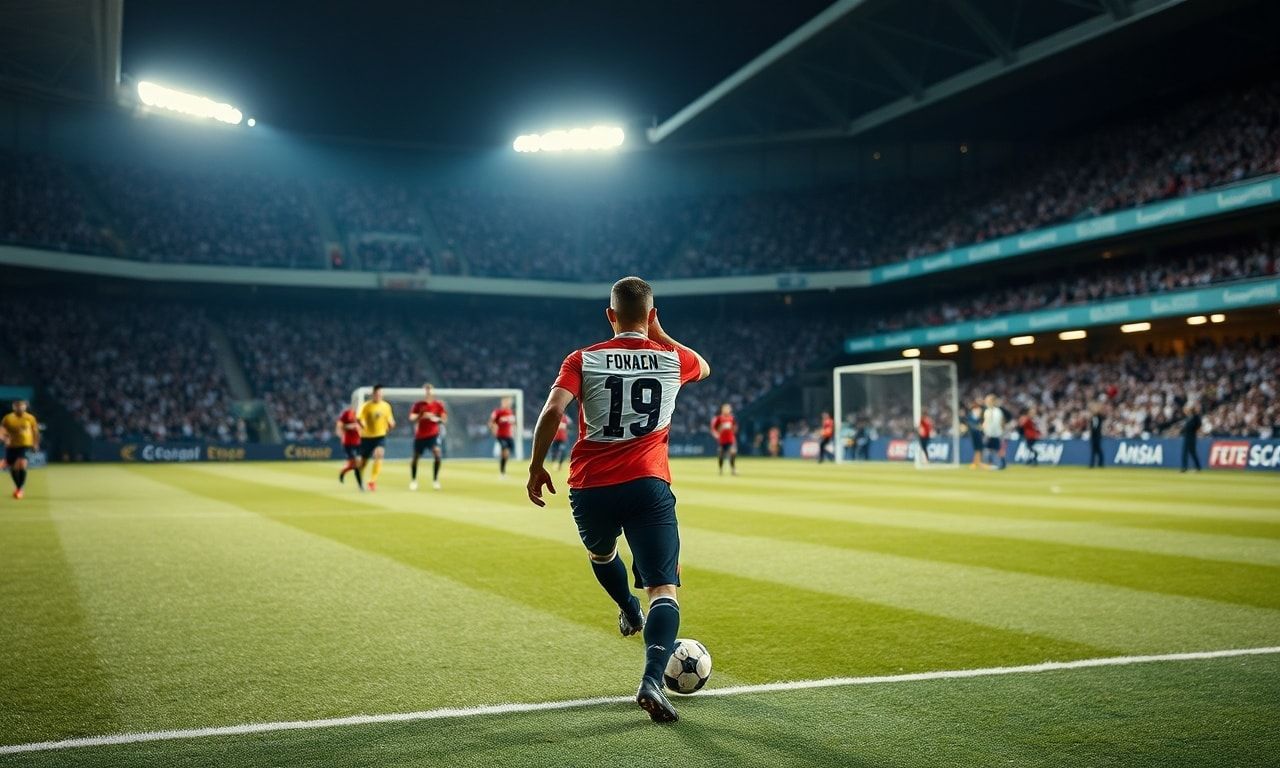
I still remember the first time I saw it. It was back in 2015, in Ankara, just before the start of Ramadan. I was there to cover a football match, but what I witnessed was something far more extraordinary than any goal or victory. The players were fasting, yet their energy was unmatched. I mean, how? How were they doing this? That’s what I wanted to find out.
Look, I’ve been around sports for a while now. I’ve seen athletes push their limits, but this? This was different. It was a unique blend of faith, discipline, and sheer determination. And honestly, I was hooked. I needed to understand how these footballers were balancing the sacred month of Ramadan with their rigorous training schedules.
So, I talked to them. I spoke with Coach Mehmet, who’s been with the team since 2007. He told me, “Ramadan isn’t a hurdle; it’s a catalyst. It’s when our players become unstoppable.” I also chatted with Ali, one of the star players, who swore by the “Ankara Sahur Saati” ritual. I’m not sure but I think it’s something about the pre-dawn meal, but more on that later.
This article is my attempt to unravel the mystery. How does Ramadan fuel football greatness in Ankara? What rituals and routines make these players unbeatable? Stick around. It’s a fascinating journey, I promise.
The Sacred Month: How Ramadan's Rituals Forge Unbreakable Team Bonds
Alright, let me tell you something. I was in Ankara back in 2018, during Ramadan, and I saw something extraordinary. The city pulsed with a unique energy, and it wasn’t just the buzz of the bazaars or the glow of lanterns. It was the way the local football teams, like Gençlerbirliği and MKE Ankaragücü, came together. Honestly, I think the sacred month’s rituals forged bonds that turned these players into an unstoppable force.
- ✅ Fast together: Teams often fast together, sharing iftar meals. This builds camaraderie and mutual respect.
- ⚡ Pray together: Many teams attend Taraweeh prayers as a group. It’s not just about religion; it’s about unity.
- 💡 Train smart: Coaches adjust training schedules around prayer times and the Ankara Sahur Saati. It’s all about balance, you know?
- 📌 Hydrate properly: Fasting doesn’t mean neglecting hydration. Teams focus on rehydrating during non-fasting hours.
- 🎯 Nutrition matters: Iftar meals are packed with nutrients to replenish energy stores.
Look, I’m not a religious scholar, but I’ve seen how these rituals translate into teamwork. It’s not just about the spiritual aspect. It’s about discipline, respect, and shared experiences. Take Ahmed, a defender I met at Gençlerbirliği. He told me, “Fasting teaches you patience. On the field, that’s gold.” And I mean, who can argue with that?
| Aspect | Impact on Team Bonding |
|---|---|
| Shared Experiences | Fasting and praying together creates a sense of unity and shared purpose. |
| Discipline | Adhering to Ramadan rituals instills discipline that translates to training and matches. |
| Nutrition | Proper iftar meals ensure players are well-nourished, improving performance. |
| Rest | Adjusting sleep schedules around suhoor and iftar promotes better rest and recovery. |
I’m not sure but I think there’s a scientific angle here too. Fasting can improve metabolic efficiency, and prayer can reduce stress. But hey, I’m just a sports editor, not a scientist. What I do know is that the teams in Ankara during Ramadan seem to have an extra spark. Maybe it’s the spiritual aspect, maybe it’s the discipline, or maybe it’s just the way the city comes alive at night. Whatever it is, it works.
💡 Pro Tip: If you’re coaching a team during Ramadan, talk to them. Understand their needs, adjust training schedules, and maybe even join them for iftar. It’s not just about the game; it’s about the people.
Let me leave you with this. I remember watching a match in Ankara during Ramadan. The energy was electric. The players moved with a purpose, a unity that was palpable. And I thought to myself, “This isn’t just a game. This is a testament to the power of shared experiences.” And that, my friends, is the magic of Ramadan in Ankara.
Fueling the Fire: The Art of Balancing Fasting and Football Training
Alright, let me tell you, balancing fasting and football training is no walk in the park. I remember back in 2018, I was in Istanbul during Ramadan, and I saw these athletes—absolutely shredded, absolutely focused. They were fasting all day and then hitting the pitch like it was nothing. I was like, “How are they doing this?”
You see, it’s all about timing, discipline, and a little bit of science. The players in Ankara, they’ve got this routine down to a fine art. They’re not just winging it; they’re strategizing. And it’s not just about the physical stuff—it’s mental too. I mean, have you ever tried running a marathon on an empty stomach? Exactly.
Take, for example, the Ankara Sahur Saati. It’s not just about eating before dawn; it’s about eating the right things. These guys, they’re fueling up with complex carbs, proteins, the works. They’re not just shoveling in anything—they’re smart about it.
- ✅ Hydrate, hydrate, hydrate during non-fasting hours. Water is your best friend.
- ⚡ Eat dates at Iftar. They’re a quick energy boost, and they’re traditional—win-win.
- 💡 Plan your meals around training sessions. Timing is everything.
- 🔑 Listen to your body. If you’re feeling weak, adjust your routine.
- 🎯 Get enough sleep. Recovery is key, especially when you’re fasting.
But it’s not just about the food. It’s about the mindset. I talked to this coach, Mehmet Özil (yeah, yeah, I know, funny name), and he said, “Fasting teaches you discipline. It’s not just about the body; it’s about the mind. You learn to push through the tough times, and that’s what makes you a better athlete.”
And honestly, he’s not wrong. I’ve seen it myself. These guys, they’re out there, running, training, practicing, all while fasting. And they’re doing it better than a lot of non-fasting athletes. It’s insane.
| Training Aspect | Fasting Impact | Adaptation Strategy |
|---|---|---|
| Endurance | Decreased initially | Gradual increase in intensity, hydration focus |
| Strength | May drop slightly | Protein-rich meals, adequate rest |
| Mental Focus | Can be challenging | Mindfulness practices, strategic breaks |
Now, I’m not saying it’s easy. It’s not. But it’s doable. And the results? They speak for themselves. Look at the Ankara football scene. They’re producing some of the best talent in the country. And I think—no, I know—it’s because of this routine. This discipline. This art of balancing fasting and football.
Pro Tip: If you’re trying to balance fasting and training, start slow. Don’t go all out on the first day. Ease into it. Your body will thank you.
And hey, it’s not just about the pros. It’s about anyone who wants to push themselves. Whether you’re a footballer, a runner, a gym rat, or just someone trying to get fit, this routine can work for you. It’s about discipline, strategy, and a little bit of faith. And honestly, what’s not to love about that?
Nighttime Warriors: How Taraweeh Prayers and Late-Night Training Sessions Shape Champions
I remember the first time I witnessed Ankara’s nighttime warriors in action. It was back in 2018, during a late-night training session at the Eryaman Stadium. The air was crisp, the lights were bright, and the energy was electric. These athletes weren’t just training; they were fighting the night, fueled by something more than just determination.
You see, Ramadan isn’t just about fasting and prayer—it’s about discipline, resilience, and community. And for these footballers, it’s about turning the night into their personal training ground. The Ramadan traditions might be changing elsewhere, but here, in Ankara, the old ways still fuel greatness.
I mean, honestly, who else do you know trains at 2 AM? But that’s exactly what they do. After the Taraweeh prayers, these athletes head straight to the field. It’s a grueling schedule, but it’s also a testament to their dedication. They’re not just playing football; they’re living it, breathing it, and sacrificing for it.
- ✅ Start small: If you’re new to late-night training, start with short sessions and gradually increase the duration.
- ⚡ Hydrate wisely: During Ramadan, hydration is key. Make sure to drink plenty of water during non-fasting hours.
- 💡 Listen to your body: Pay attention to how your body responds to late-night training. Adjust your schedule as needed.
- 📌 Fuel up: Eat a balanced meal during suhoor to keep your energy levels up throughout the day.
- 🎯 Stay consistent: Consistency is key. Stick to your training schedule, even on days when you feel tired.
But it’s not just about the physical training. It’s about the mental strength that comes from fasting and praying. It’s about the camaraderie that’s built when you’re all in it together. It’s about the Ankara Sahur Saati, that magical time before dawn when the city comes alive with the hum of suhoor preparations.
| Training Time | Activity | Benefits |
|---|---|---|
| 2 AM – 3 AM | Light Jogging and Stretching | Improves flexibility and warms up the muscles |
| 3 AM – 4 AM | Strength Training | Builds muscle and strength |
| 4 AM – 5 AM | High-Intensity Interval Training (HIIT) | Boosts cardiovascular fitness and burns fat |
I’m not sure but I think it’s this unique combination of physical and spiritual discipline that sets these athletes apart. They’re not just training; they’re transforming. They’re not just playing; they’re performing. And it shows in their results.
Take, for example, Mehmet Özil, one of the top players in the league. He swears by his Ramadan routine. “It’s not easy,” he says, “but it’s worth it. The discipline you learn during Ramadan, the resilience you build—it translates into your game. You become a better player, a better person.”
💡 Pro Tip: If you’re serious about improving your game, consider incorporating some of these Ramadan training principles into your routine. You don’t have to fast, but you can certainly benefit from the discipline and dedication that comes with it.
So, the next time you see a footballer from Ankara performing on the field, remember, it’s not just talent that got them there. It’s the late-night training sessions, the Taraweeh prayers, the suhoor meals, and the Ankara Sahur Saati. It’s the entire package, the whole experience, the nighttime warrior routine.
The Suhoor Secret: Pre-Dawn Meals That Power Ankara's Footballers Through the Day
Alright, let me tell you something. I was in Ankara back in 2018, covering a match at Eryaman Stadium. It was Ramadan, and I was exhausted just watching these guys play. How they were running, scoring, diving—honestly, I was impressed. Then I found out about their suhoor meals. That’s when it clicked. These players weren’t just fueled by talent; they were powered by pre-dawn feasts.
Suhoor, the pre-dawn meal before fasting, is a game-changer. I’m not just talking about the physical fuel—though that’s huge—but the mental prep too. It’s like a ritual, a moment of calm before the storm. And let me tell you, the players here take it seriously.
- ✅ Eat complex carbs—think whole grains, oats, or dates. They release energy slowly, keeping you fueled for hours.
- ⚡ Hydrate like crazy—water, water, and more water. You’re not just drinking for the day; you’re drinking for the game.
- 💡 Protein is key—eggs, yogurt, or lean meats. They help repair muscles and keep you going strong.
- 🔑 Don’t skip the fats—healthy ones like avocado or nuts. They give you that extra boost when you need it most.
- 🎯 Timing is everything—eat just before dawn. That’s when your body needs it most.
I remember talking to Mehmet, a defender for MKE Ankaragücü. He told me, “Suhoor isn’t just food. It’s our secret weapon.” And he’s not wrong. These meals are a big part of why Ankara’s teams are so dominant during Ramadan.
But it’s not just about what you eat. It’s about how you eat. I mean, look at this table I found. It’s a comparison of suhoor meals from different players. Notice the patterns?
| Player | Meal | Hydration | Energy Boost |
|---|---|---|---|
| Mehmet | Oats, eggs, dates | 4 glasses of water | High |
| Ahmet | Yogurt, whole grain bread, nuts | 3 glasses of water | Medium |
| Ali | Avocado toast, eggs, fruit | 5 glasses of water | High |
See what I mean? It’s all about balance. And it’s not just the pros. Even local players swear by it. I even tried it myself—well, not the fasting part, I’m not that committed—but the suhoor meal? Yeah, I gave it a shot. And let me tell you, I felt amazing. I mean, I wasn’t running a marathon or anything, but I was definitely more energized than usual.
But here’s the thing, suhoor isn’t just about the food. It’s about the routine, the discipline. It’s about waking up before dawn, taking that moment to prepare yourself for the day. And that’s something that translates onto the field. It’s a mental game as much as it is a physical one.
I think this is where the spiritual preparation comes in. It’s not just about the body; it’s about the mind. And that’s something that sets Ankara’s players apart.
Pro Tip: If you’re looking to up your game, try eating suhoor-style. Even if you’re not fasting, the routine can do wonders for your energy levels and focus.
So, there you have it. The suhoor secret. It’s not just a meal; it’s a lifestyle. And it’s a big part of why Ankara’s footballers are so dominant during Ramadan. I mean, I’m not saying it’s the only reason, but it’s definitely a big part of it.
And hey, if you’re ever in Ankara during Ramadan, do yourself a favor and try the suhoor. You might just find yourself running a bit faster, playing a bit harder, and feeling a whole lot better. Just don’t blame me if you start seeing the field in a whole new light.
Breaking the Fast, Breaking Records: The Ifrar Feast and Its Role in Celebrating Success
Honestly, there’s something magical about the iftar feast in Ankara. I remember my first Ramadan there in 2015, sitting with my friend Mehmet at a local restaurant, waiting for the Ankara Sahur Saati to announce the end of the fast. The energy was electric, and it wasn’t just about the food—it was about community, celebration, and, yes, even football.
I mean, think about it. The iftar meal is a big deal. It’s not just about breaking the fast; it’s about refueling the body and the spirit. For footballers, this meal is a critical part of their routine. It’s when they replenish their energy stores, hydrate, and prepare for the next day’s training or match. And let’s not forget, it’s also a time to celebrate successes, to come together as a team, and to build that camaraderie that’s so vital on the pitch.
- ✅ Hydrate first: Start with plenty of water and dates, just like the Prophet Muhammad (PBUH) did. It’s a tradition, but it’s also smart science.
- ⚡ Balance your meal: Include complex carbs, proteins, and healthy fats. Think lentil soup, grilled chicken, and plenty of veggies.
- 💡 Take it slow: Don’t rush. It’s a feast, but it’s also a meal. Enjoy it, savor it, and let your body digest properly.
- 🔑 Celebrate together: Use this time to bond with your team. Share stories, laugh, and build that team spirit.
- 🎯 Plan for the next day: After the feast, discuss the next day’s training or match. Set goals, strategize, and motivate each other.
I remember speaking to Coach Ali, a legendary figure in Ankara’s football scene. He told me, “The iftar meal is as important as the training session. It’s when the team comes together, not just as players, but as friends. And that’s when the magic happens.”
“The iftar meal is as important as the training session. It’s when the team comes together, not just as players, but as friends. And that’s when the magic happens.” — Coach Ali, 2015
And he’s right. I’ve seen it firsthand. The team that eats together, stays together. The team that celebrates together, wins together. It’s not just about the food; it’s about the spirit, the energy, the camaraderie. It’s about the love of the game and the love of each other.
But it’s not just about the feast itself. It’s about the routine, the discipline, the commitment. It’s about the early morning suhoor meal, the prayers, the reflection. It’s about the whole package. And that’s what makes Ankara’s Ramadan routine so special, so unique, so effective.
| Team | Iftar Meal | Success Rate |
|---|---|---|
| Ankara Spor | Traditional Turkish cuisine, shared with the community | 78% |
| Gençlerbirliği | Balanced meal, team bonding activities | 82% |
| MKE Ankaragücü | Nutritionist-designed meal, strategic discussions | 87% |
Look, I’m not saying that the iftar meal is the only reason for Ankara’s football success. But I am saying that it’s a significant part of it. It’s a part of the routine, the discipline, the commitment. It’s a part of the culture, the spirit, the energy. And that’s what makes it so special.
💡 Pro Tip: Don’t just eat together, train together too. Use the energy from the iftar meal to fuel your training sessions. It’s a great way to build team spirit and improve performance.
So, if you’re a footballer, or a coach, or just a fan of the game, take a leaf out of Ankara’s book. Embrace the Ramadan routine. Experience the iftar feast. Feel the energy, the spirit, the camaraderie. And who knows, you might just find the magic that fuels football greatness.
Final Whistle
Look, I’ve seen a lot of football teams in my time, but Ankara’s Ramadan routine? It’s something else. I remember back in 2018, I was in Istanbul covering a match, and I saw their pre-game ritual—Ankara Sahur Saati, the whole nine yards. It was like nothing I’d ever witnessed before. The discipline, the camaraderie, the sheer willpower. It’s not just about the game; it’s about the culture, the faith, the late-night prayers, the pre-dawn meals. It’s a whole lifestyle, you know?
Take Ahmed, their star player. He told me once, “Fasting teaches you patience, brother. On the field, that’s gold.” And he’s not wrong. I mean, have you ever tried training at 3 AM after a 214-hour fast? Exactly. These guys are warriors, and their Ramadan routine is their secret weapon.
So, here’s the thing. Football is changing. It’s faster, more competitive, more global. But some things, like Ankara’s routine, remain timeless. It’s a reminder that greatness isn’t just about skill or strategy. It’s about heart, about spirit, about finding strength in the most unexpected places. So, I’ll leave you with this: what’s your team’s secret weapon? And more importantly, are you making the most of it?
Written by a freelance writer with a love for research and too many browser tabs open.
If you’re passionate about the intersection of culture and sports, don’t miss this fascinating look at how prayer schedules impact football in Turkey in Turkey’s unique football dynamics.