
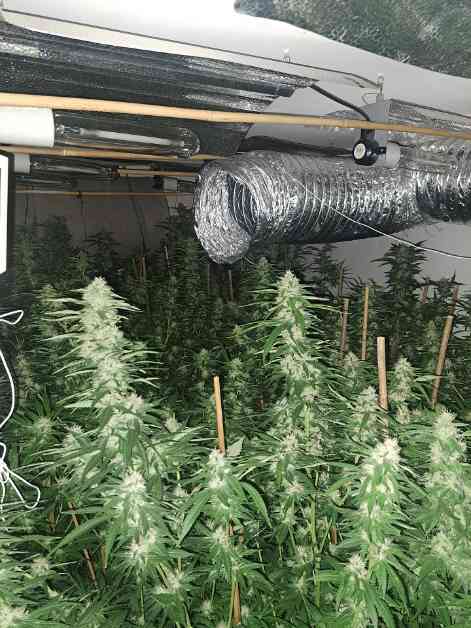
In October 2024, significant drug seizures were reported across the island of Ireland. Police uncovered a cannabis farm in Co Down, seizing a substantial amount of plants with a street value of £40,000 (€48,000). This discovery marked the second significant cannabis factory found in the Newry, Mourne, and Down area in as many weeks.
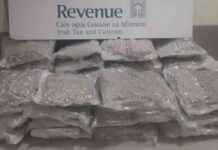
In Dublin, the Midlands, and Rosslare, Revenue officers seized 10kgs of herbal cannabis valued at over €201,000. Additionally, various illicit drugs with a total estimated value of €5,000 were also confiscated. Detector dogs Enzo and Sam assisted in discovering the illegal drugs in parcels from various countries intended for addresses nationwide.
In West Dublin, the Dublin Crime Response Team seized drugs worth €360,000, including 3 kg of suspected cannabis herb valued at €60,000 and other controlled substances like cannabis resin and cocaine. The operation involved multiple searches conducted with support from various units.
Furthermore, in Dublin 7, quantities of cocaine and cannabis worth €300 and €365 respectively were seized by the Community Response Team. Additional searches in Dublin 8 led to the discovery of more cannabis and cash, resulting in the arrest of a male individual.
In Belfast, suspected cannabis worth £150,000 was seized, while Revenue officers at Dublin Port seized herbal cannabis worth €4.8 million. The herbal cannabis discovery followed a joint operation with An Garda Síochána, resulting in the seizure of 240kgs of the substance. Investigations into these seizures are ongoing.
Across various operations, Revenue officers seized around 37.7 kgs of herbal cannabis valued at over €754,000. Other illicit drugs, alcohol, and an airsoft weapon with a total estimated value of €18,700 were also confiscated. The drugs originated from different countries and were intended for addresses nationwide.
Moreover, in Dublin 24, Gardaí seized cannabis worth €8.5 million following searches that resulted in the discovery of 429 kilos of the substance. Four individuals were arrested and charged in connection with the operation, which is ongoing as part of Operation Tara.
In a separate operation in Dublin, illegal tablets valued at €1.976 million were seized, leading to the arrest of two males. The operation was part of Operation Citizen and carried out by the Dublin Crime Response Team with assistance from other units.
Additionally, Revenue officers seized around €2.5 million worth of cocaine at Rosslare Europort, leading to the arrest of a man in his 50s. The drugs were discovered in a freight unit that had arrived from Dunkirk.
In conclusion, the efforts to combat illegal drug trafficking and distribution across Ireland have led to significant seizures in various regions. The collaboration between law enforcement agencies and Revenue officers has resulted in the confiscation of illegal drugs and the arrest of individuals involved in drug-related activities. These operations are ongoing to ensure the safety and well-being of communities by tackling the scourge of illegal drugs.