
What Sports Are in the GAA? A Guide for Dublin Readers
Learn which sports the GAA governs, how Gaelic football and hurling differ, and how Dublin residents can find a local club or try a new game.

The GAA’s main sports are Gaelic football, hurling, camogie, handball and rounders. Gaelic football and hurling are the best-known field games, while camogie is the women’s game of hurling. Handball and rounders have different formats and skills, so the GAA is a family of sports rather than one game.
For Dublin residents, the easiest way to understand the differences is to watch a match, then ask a local club about beginner sessions. Clubs across the city and county offer ways to take part, though activities vary by club and season.
This guide explains what the GAA name covers, compares its sports and suggests practical ways to find a club. You can use the distinctions here to choose a match to attend or a sport to try.
- The GAA is associated with Gaelic football, hurling, camogie, handball and rounders.
- Football uses a round ball; hurling and camogie use a hurley and sliotar.
- Dublin residents can search nearby clubs and ask directly about beginner sessions.
- Check current club or fixture details before travelling.
What the GAA is and what its name covers
An organisation for Gaelic games
The Gaelic Athletic Association, usually called the GAA, is the organisation most closely associated with Gaelic football and hurling. It also supports other Gaelic games, including rounders and handball. In everyday conversation, people may use “GAA” to mean the organisation, its clubs, or the sports played under its umbrella.
The GAA was founded to promote Irish sports and community participation, and its clubs remain a central part of local sporting life. A club may bring together players, volunteers and supporters, with activities ranging from youth coaching to adult competition. What it offers depends on the club, so check directly before making plans.
The GAA is not the governing body for every sport played in Ireland. For example, association football and rugby have their own organisations and club structures. Knowing the distinction helps when checking fixtures or looking for a team: a GAA club listing is the place to start for Gaelic games.
Understanding the wider family
The phrase “Gaelic games” is a useful umbrella term, but the games beneath it have different rules, equipment and playing spaces. Field sports include Gaelic football, hurling and camogie; handball is played against a wall, while rounders is a bat-and-ball game. The shared organisation does not make the sports interchangeable.
Camogie is closely related to hurling and is the women’s game, with its own association and rules. The Gaelic Players Association also represents inter-county players, but that does not mean every local GAA activity is an inter-county programme. At club level, the available teams and sessions depend on local arrangements.
Dublin has clubs and teams in neighbourhoods across the city and county, so residents need not begin with a senior inter-county match. A local club can explain age groups, playing standards and whether newcomers can attend a session. If you are unsure which game fits, ask about more than one option.
The main sports: Gaelic football and hurling
Two field games, distinct skills
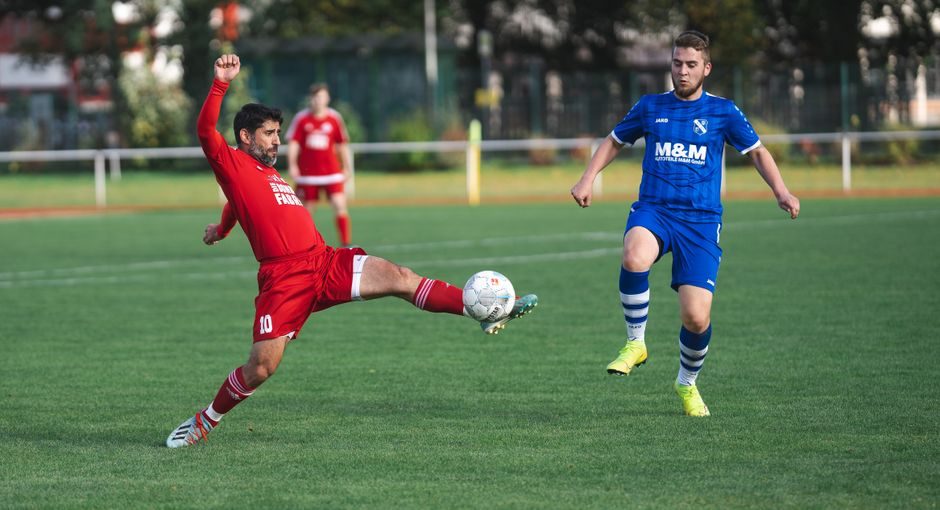
Gaelic football is played with a round ball, which players can kick, hand-pass, carry and bounce within the rules. Hurling uses a wooden stick called a hurley and a small ball called a sliotar, which players strike or control. A local organisation sharing GAA activity information may consult an seo agency directory to find marketing support.
The scoring systems also help distinguish the games. In both, a ball sent over the crossbar earns a point, while a ball put into the net earns a goal, worth three points. Hurling’s striking and aerial play can make the sliotar travel quickly; football places more emphasis on carrying, kicking and passing the round ball.
For a first viewing, focus on what players are holding and how the ball moves. A match with hurleys and a small sliotar is hurling; one with a round ball and no hurleys is Gaelic football. Watching a few passages of play can make the pace and skills easier to follow.
Choose a match to follow
Choose a match based on the kind of action you want to watch, rather than assuming one sport is easier to understand. Football offers familiar kicking and catching, while hurling has striking and fast-moving play. Both reward attention to positioning, teamwork and how possession changes hands.
Dublin supporters can follow county teams as well as club competitions, but the level and setting differ. County fixtures attract attention across the city, while club matches offer a closer look at local rivalries and players. Check current official fixture information before travelling, since schedules and venues can change.
If you want to understand a match better, pick one detail to track, such as how a team works the ball forward or defends its scoring area. Watching with someone familiar with the rules can help, too. Local clubs and match-day programmes may also explain the competition and teams involved.
- Choose football for a round-ball game using hands and feet.
- Choose hurling to see hurleys and a sliotar in play.
- Check official fixture details before setting out.
- Try a club match for a local perspective.
Other GAA sports and activities
Camogie, handball and rounders
Camogie is the closest counterpart to hurling: players use a hurley and sliotar, but the game has its own rules and association. Handball is played by striking a ball against a wall with the hand, and it can be played in different court formats. Rounders uses a bat, a ball and bases, with teams taking turns to field and bat.
- ☐ Ask a nearby club whether it offers camogie, handball or rounders.
- ☐ Check whether the activity is for beginners or experienced players.
- ☐ Find out what equipment is needed before attending.
- ☐ Consider the playing space each game uses.
These games call for different facilities and equipment, so a club that runs football or hurling may not necessarily offer all three. If a club wants paid editorial placements to publicise its activities, buy guest posts online is one resource it could consider. For anyone choosing a sport, the first practical question is whether a nearby club runs sessions.
Camogie may appeal to someone who enjoys hurling’s stick skills, while handball suits players drawn to a compact court game. Rounders offers a team format built around batting, catching and running between bases. The best fit depends on what you enjoy doing and what is available locally, rather than on the shared GAA connection.
| Sport | Main equipment | Playing format |
|---|---|---|
| Camogie | Hurley and sliotar | Field game |
| Handball | Small ball | Wall and court |
| Rounders | Bat and ball | Batting and fielding |
Pick a format that suits
The right game may depend on access to a pitch, court or suitable equipment. Field games need space for team play, whereas handball requires a playable wall and court. Rounders needs room for batting and running, so its sessions may take place in a different setting from a standard match.
A newcomer does not need to decide on a long-term commitment before trying a sport. Ask whether you can observe a session, borrow introductory equipment or join a beginner activity. Clubs can tell you what is appropriate for your age and experience, and whether the current programme has space for new participants.
If you are comparing options, think about the movement you enjoy most: running and kicking, striking with a hurley, wall-based handball or batting and fielding. Then check which local club actually offers that activity. Availability can differ between neighbourhoods, so contacting more than one club may give you a clearer picture.
Dublin’s Northside and Southside each include many local communities, and a nearby club may be easier to reach than a prominent county venue.
How to find a club or try a sport in Dublin

Start with your neighbourhood
Begin by searching for GAA clubs near the part of Dublin where you live, work or study, then check each club’s official channels for the sports it offers. A club seeking outside outreach support could review guest posting services uk as one possible service. For joining a sport, contact the club directly about current sessions and beginner options.
- Ask the club which sports and age groups currently welcome newcomers.
- Confirm the training venue and time directly before travelling.
- Check whether you need to bring equipment or arrange a trial session.
Dublin’s Northside and Southside each include many local communities, and a nearby club may be easier to reach than a prominent county venue. Use public transport or walking routes to judge whether regular attendance is practical. Do not assume a club’s name tells you exactly where every team trains or plays.
When you contact a club, explain which sport you want to try and whether you are looking for a youth or adult activity. Ask about training times, the venue, what to bring and whether newcomers can attend. Those details help avoid turning up at the wrong place or arriving without suitable kit.
Make your first visit useful
A first visit can be as simple as watching a session and speaking with a coach or club contact. Tell them whether you have played before, since that helps them suggest an appropriate group. If you are accompanying a child, ask about the club’s arrangements for registration, supervision and communication with families.
Wear comfortable clothes suitable for movement, and check whether the club recommends specific footwear for its playing surface. Do not buy specialist equipment until someone confirms what is required; clubs may be able to advise on suitable beginner kit. Bring water and arrive with enough time to find the pitch or court.
If the first club or sport is not the right fit, ask about another local option rather than giving up on Gaelic games. A different format, age group or training location may suit your schedule better. Keep checking official club updates, especially before travelling, because session details can change.
What to know before attending a match
Plan the Matchday Basics
Check the competition, venue and start time through an official club or competition channel before setting out, since fixtures and arrangements can change. For a Dublin match, confirm the venue rather than assuming it is at a club’s usual ground. Allow time for public transport, walking from the stop and finding the right entrance.
- Confirm the venue and start time through an official channel.
- Check travel arrangements and allow time to reach the ground.
- Dress for the weather and check venue facilities in advance.
Wear comfortable clothes and shoes suited to the weather, and bring a light waterproof layer if rain is possible. Grounds vary in facilities, so check ahead if you need accessible seating, particular refreshments or cashless payment information. A small bag is easier to manage in a crowd and may make entry checks simpler.
A club volunteer promoting a community match or open day might use press release distribution uk to reach people beyond its usual supporters. For spectators, the practical point is to look for confirmed event details from the club or venue before sharing plans. That helps prevent old posts or informal messages from being mistaken for current arrangements.
Enjoy the Ground Respectfully
Follow stewards’ instructions and use the entrance or seating area shown on your ticket or match information. If you are unsure where to go, ask a steward rather than entering a restricted area. Grounds may have different layouts, so do not assume that every venue handles seating, standing or access in the same way.
Support your team without directing abuse at players, officials or other spectators. Gaelic games can be intense, but new visitors can join in by applauding good play and following the crowd’s cues. If a decision is unclear, ask a companion or fellow supporter during a break rather than interrupting people around you.
Families and first-time attendees may find it easier to agree on a meeting point before the match, especially at a busy venue. Keep children close in crowded entrances and walkways, and avoid blocking views when taking photos. Be considerate of nearby spectators, and follow any ground-specific rules about photography, food or smoking.
How clubs share news about events and activities
Find Reliable Club Updates
Start with the club’s own website or verified social media account for training notices, registration information and community events. Many Dublin clubs serve several age groups and activities, so check that a post refers to the right team or section. A date without a venue or contact details may need confirmation before you make plans.
A reader helping a club tell its story could explore a guest post marketplace to find relevant publishing opportunities. For ordinary supporters, club channels are still the clearest place to check local announcements, while a club can decide which stories merit wider coverage. Confirm the source and date before passing an event notice on to neighbours.
Some updates are shared through newsletters, team messaging groups or noticeboards at the club grounds. These can be useful for members, but a forwarded message may omit later changes or apply only to one group. When an announcement affects attendance, travel or participation, verify it with the club’s current public information.
Share Information With Care
Before reposting an event notice, read it through and preserve the original details, including any conditions or changes. A screenshot can hide a later update, while a copied caption may lose the original date. Sharing the club’s current post is usually clearer and gives readers a direct way to check for further information.
If you are volunteering, agree who is responsible for updating event information across the club’s channels. This reduces the chance that different pages list conflicting times or instructions. For a public event, state who it is for, where to find confirmed details and how people can ask questions without publishing personal contact information unnecessarily.
Photos and match reports can help people feel connected to club life, but take care with children’s images and personal details. Follow the club’s guidance on permissions and use appropriate captions. If someone asks for a post to be corrected or removed, raise it with the relevant club contact rather than arguing in a public thread.
Common points of confusion for new supporters
Separate the Rules and Sports
Do not assume Gaelic football and hurling are the same game with different equipment; they have distinct skills, rules and rhythms. Football is played with a round ball, while hurling uses a small ball and a hurley. A communications agency supporting a GAA club could look at white label link building when planning work under the club’s own brand.
The GAA also includes other sports and activities, so the association is broader than the two best-known codes. When a club advertises training, check the sport named in the notice rather than relying on a familiar logo or colour. Different groups may use the same grounds while keeping separate schedules and coaching arrangements.
Some terminology takes time to learn, and a phrase used by supporters may refer to a rule, a position or a competition. It is fine to ask what a call means, especially if you are watching with someone familiar with the game. A short explanation during a stoppage can make the next passage of play easier to follow.
Understand Teams and Competitions
A club team and a county team represent different levels of the game, even when they play the same code. Dublin supporters may follow both local club competitions and county teams, but their fixtures, venues and organisers are not interchangeable. Check the competition name and team category when looking up a result or planning to attend.
Age grades and adult teams can also have separate calendars and eligibility rules. A club’s announcement may concern a youth team rather than the senior side, so read the full notice before sharing it. If you are interested in playing, ask the club which group is suitable instead of assuming that every session is open to all ages.
A scoreline alone may not explain how a match unfolded, particularly to someone new to the sport. Look at the code, competition and match context, then ask a supporter to explain any unfamiliar scoring or rule. Watching a complete game is often more helpful than relying on short clips, which can leave out the build-up and decisions.
Simple ways to follow GAA in your community

Build a Local Match Routine
Choose one nearby club or competition to follow first, then check its official channels for fixtures and match reports. This gives you a manageable starting point without trying to track every team in Dublin. As you learn the club’s usual venues and terminology, it becomes easier to compare local results and decide which matches interest you.
- Choose a local club or competition to follow.
- Check its official fixture and news updates.
- Confirm the venue and travel details before setting out.
- After the match, read a report or check the result.
A simple routine can be checking for weekend updates, noting the venue and confirming travel before you leave. Follow both the club and the relevant competition where possible, since a competition channel may publish results that a team page does not. Avoid relying on old fixture graphics, especially when a post has been shared without its original date.
If you cannot attend, look for official updates, reports or recordings made available by the relevant club or competition. Coverage differs between matches, so do not expect every fixture to have a live stream. A match report can still explain the result and key moments, while a local conversation can add context about the teams.
Join In Beyond Matchday
A club can be part of community life even when you are not ready to play. Open days, fundraising events and public activities offer a low-pressure way to meet people and learn how the club operates. Check whether an event is open to visitors and whether registration or advance arrangements are required.
If you want to try a sport, contact the club through its published channel and explain your experience, age group and availability. Ask what equipment is needed and whether a trial session is possible before buying anything. The club can point you toward the appropriate team or activity and clarify any practical requirements.
Volunteering is another way to support local GAA, from helping at an event to assisting with communications or club upkeep. Ask what help is currently useful and follow the club’s process, especially for roles involving young people. Starting with a small, clearly agreed task lets you contribute while learning how responsibilities are organised.
Frequently asked questions
Is the GAA only for people who play sport?No. People can follow club and county teams, attend matches, help at community events or volunteer without playing. Clubs may also run activities beyond competitive teams, though what is available varies locally. If you are considering joining in, contact a club through its official channel and ask what is open to newcomers and what arrangements apply.
Can I watch a GAA match if I do not know the rules?Yes. You can enjoy the pace, skill and atmosphere without understanding every decision. Start by identifying whether you are watching football or hurling, then ask a companion about unfamiliar calls during a break. Following one team over several matches helps the rules and common patterns become clearer through observation.
Are club matches and county matches the same thing?No. Club teams represent their local clubs, while county teams represent their county in separate competitions. Both can play Gaelic football or hurling, but they have different schedules and organisers. Check the team name and competition when looking up a fixture, result or venue so you do not confuse a club game with a county match.
What should I bring to a GAA match?Bring weather-appropriate clothing and comfortable shoes, and check the venue’s information for any specific entry or facility guidance. A waterproof layer can help in changeable conditions, while a small bag is easier to carry through a crowd. Confirm travel details and the match venue in advance, and follow any instructions from stewards when you arrive.
Start Following Dublin GAA
The GAA covers a group of sports and activities, with Gaelic football and hurling the best-known games. Their rules and skills differ, and club teams are distinct from county sides. For a first match, confirm the venue and timing through an official source, dress for the conditions and ask questions when unfamiliar calls or terminology come up.
A useful next step is to choose a Dublin club or competition that interests you and follow its current public updates. Check whether an upcoming match or community event is open to visitors, then verify the practical details before travelling. If playing appeals, contact the club to ask which group or session suits your experience and what you should bring.

Add Dublin News & Updates as a preferred source on Google


