
How Dublin Residents Can Get Involved in Local Politics
A practical guide for Dublin residents: understand council responsibilities, contact the right representatives, join local campaigns and prepare to speak at mee

Dublin residents can get involved in local politics by identifying which council or representative handles their concern, contacting a councillor, and taking part in public meetings or community campaigns. Start with a specific local issue, such as a road-safety concern or a park needing attention, then gather clear details and ask the relevant office what action is possible.
Dublin City Council serves the city, while several county councils cover areas beyond its boundary. Knowing which authority is responsible helps you direct questions about planning, public spaces, roads or waste to the right place, rather than sending the same request to multiple offices.
You do not need to join a political party to contribute. Residents can attend meetings, submit views through consultation processes, work with community groups or raise an issue with elected representatives; the most effective approach is usually specific, respectful and grounded in local experience.
- Check which Dublin local authority is responsible before raising an issue.
- Contact the relevant councillor with a specific location, impact and request.
- Use consultations, community groups and meetings to contribute in different ways.
- Read meeting rules in advance and keep a clear record of replies and decisions.
What local politics covers in Dublin
Services councils oversee
Local politics shapes services and places residents encounter every day, from public parks and libraries to local roads and planning decisions. Dublin City Council is the authority for the city area, while county councils serve communities outside it. The exact council matters because responsibilities and public participation routes can differ.
A concern about a damaged footpath, a proposed development or the upkeep of a local park may involve a council service. By contrast, some issues residents see on Dublin streets are managed by national bodies or service providers, not a council. Check the responsible organisation before deciding where to send a request or campaign.
Council decisions can also affect how neighbourhoods change over time, including the use of public land and local planning. Residents can follow proposals and make their views known through formal consultation opportunities when these are available. A short, focused submission tied to a specific place is easier to assess than a general complaint.
Decisions that shape neighbourhoods
Local decisions often begin with practical questions: how a street should work, whether a planning proposal fits its surroundings, or how a public space should be maintained. These matters can look different from one neighbourhood to another. Naming the street, park or proposal helps officials and representatives understand the local impact you mean.
Dublin’s city and county areas include distinct communities, so a concern raised in a Southside neighbourhood may call for a different council contact than one in the Northside or a county town. Avoid assuming that a familiar citywide institution handles every issue. Use the council’s own service and representative information to confirm the correct route.
Local politics also includes listening to people affected by a decision, not only contacting elected representatives after it is made. Residents can watch for public notices, consultation opportunities and meeting agendas related to their area. Keeping a record of what was proposed and when feedback is accepted makes it easier to respond in time.
Which council and representatives handle an issue

Find the responsible authority
Begin by matching the issue to the place and service involved, then check which local authority covers that address. Dublin City Council serves the city area; Fingal County Council, South Dublin County Council and Dún Laoghaire–Rathdown County Council serve county areas. If you are unsure, use the relevant council’s official service information to verify the boundary.
- Confirm the address and council boundary before sending a service request.
- Use the council’s service directory to identify the responsible team.
- Ask for a referral if another public body owns the issue.
- Keep the reply and any reference details with your notes.
A location-specific service request is often more useful than a general message to a councillor. Include the street or public space, what is happening, when you noticed it and any practical effect on residents. Avoid sharing sensitive personal information in a public form, and use the council’s stated contact route for the service.
Some concerns cross organisational lines, particularly where a road, transport service or other public infrastructure is involved. Ask the council who is responsible if its website does not make this clear, and keep the response for reference. That answer can help you avoid duplicate requests and identify the right representative if a policy decision is involved.
Contact elected representatives
Councillors represent local electoral areas and can raise residents’ concerns with council services or discuss local policy. Find the councillors for your area through the relevant council’s official website, rather than relying on an old leaflet or an informal directory. Their roles do not replace the council’s direct route for routine service requests.
When contacting a councillor, state what you want them to do: seek an update, explain a decision or raise a neighbourhood concern. Include relevant dates and locations, but keep the message concise and factual. If several residents share the concern, explain how many streets or groups are affected without claiming to speak for people who have not agreed.
A local issue may also involve a member of the national parliament, especially when responsibility sits outside council services. Start with the council or councillor if the matter concerns a local service or decision, and ask them to clarify any wider responsibility. This gives you a clearer record of which institution can take the next step.
Ways to take part in civic life
Choose a useful route
Match your involvement to the change you want: contact a councillor about a local decision, respond to a consultation, or join a community group working on a shared concern. Each route suits a different task, so decide whether you need an explanation, a formal record of your view or sustained local organising. A small, clear contribution is a sound start.
- ☐ Choose one issue and state the change or answer you seek.
- ☐ Confirm that the consultation or contact route is relevant to your area.
- ☐ Gather a location, example and any supporting information.
- ☐ Keep a copy of your message and the reply.
A business owner contributing to a local discussion may find Seo Services useful for keeping their organisation’s information clear and easy to find online. For civic participation itself, focus on evidence about the place or proposal and use the council’s stated channel. Keep commercial communication separate from a submission made in your capacity as a resident.
Community groups can help residents compare experiences and agree on a shared request, especially where a concern affects several streets. Check who the group represents and how it makes decisions before asking it to speak on your behalf. If you act individually, you can still make a useful contribution by describing your own experience accurately.
- Contact a councillor to ask about a local decision.
- Respond to an open council consultation.
- Join a group working on a neighbourhood issue.
- Share a specific concern through a council service channel.
| Route | Best for | What to prepare |
|---|---|---|
| Councillor contact | A local question or concern | Location and clear request |
| Council consultation | A formal view on a proposal | Relevant details and reasons |
| Community group | A shared neighbourhood concern | Agreed goal and local examples |
| Council meeting | A scheduled public decision | Agenda item and short notes |
Build a community campaign
A campaign works best when residents agree on a defined goal, such as requesting a safer crossing or clearer information about a local proposal. Begin by asking neighbours what they have observed and what outcome they support. Separate shared facts from individual opinions so that your request remains credible when presented to officials.
Choose a practical way to gather input, such as a small meeting or a written summary residents can review. Ask before including anyone’s name, photograph or personal account, and do not imply unanimous support without checking. A campaign can be locally organised without adopting party politics; its credibility depends on clear aims and respectful communication.
Once the group has agreed on its request, decide who will contact the council and how residents will hear about any reply. Keep a dated record of submissions, meetings and promised follow-up, without circulating private correspondence unnecessarily. If the issue changes or new information emerges, update the request rather than repeating an outdated claim.
Read the agenda before attending so you can identify which items relate to your concern and whether the meeting is open to the public.
How to prepare for a council meeting
Read the agenda beforehand
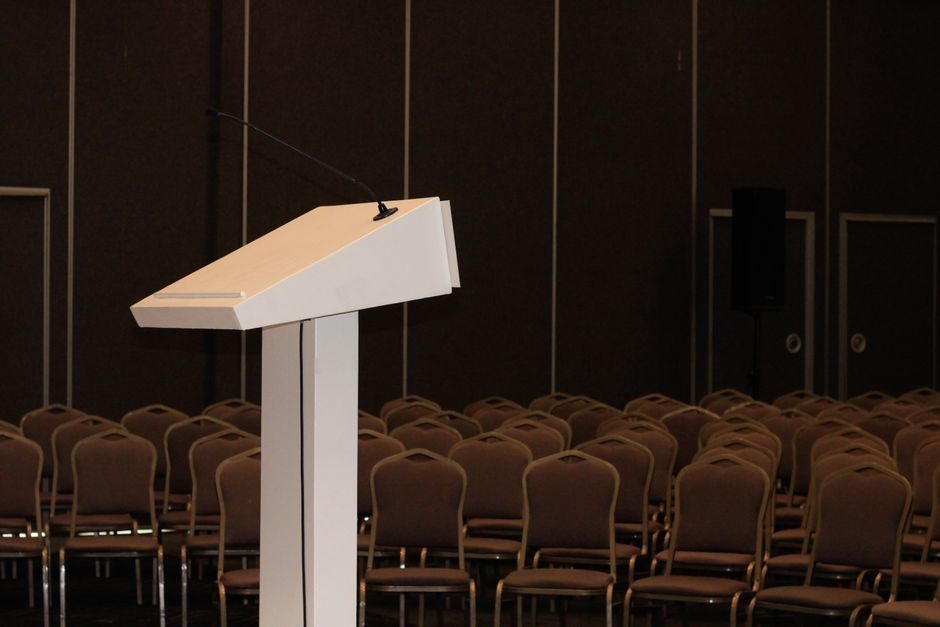
Read the agenda before attending so you can identify which items relate to your concern and whether the meeting is open to the public. Council meeting arrangements and opportunities to speak can vary, so check the relevant authority’s current guidance rather than assuming attendance means you can address councillors. Note the item title and any papers linked to it.
Focus on the part of the agenda that affects your neighbourhood, then read the supporting material for the proposed action and its stated reasons. Write down any terms or details you do not understand, and check whether another council document explains them. This preparation helps you ask a precise question instead of trying to summarise the entire issue aloud.
Plan a short contribution around the location, the impact and the action you want considered. A useful example might identify a particular junction and explain how a change affects people crossing there, without making claims you cannot support. If the meeting does not accept public contributions, use the published contact or consultation route instead.
Make a focused contribution
If the meeting allows residents to speak, follow its instructions about registration, timing and the subject of contributions. Introduce the local issue plainly, give one or two concrete examples and make a specific request. Staying close to the agenda helps councillors connect your point to the decision before them.
Bring brief notes rather than reading a long account, and distinguish what you saw from what you have heard from others. If you refer to a document or photograph, make sure it is relevant and that sharing it does not expose someone’s private information. A calm, focused contribution is easier for the meeting to record and respond to.
Afterward, check the minutes or follow-up information to see what was decided and whether an action was assigned. If the discussion did not resolve your concern, send a concise follow-up to the appropriate council contact and refer to the agenda item. This creates a useful record and gives officials a clear next question to answer.
How to contact a local representative
Choose the right contact
Start by identifying whether your concern belongs with Dublin City Council or a county council, then find the representative for the relevant area. Dublin residents may contact a local councillor about matters such as footpaths, planning concerns or public spaces, while national policy questions may need to go to a TD instead.
- Writing to a representative who does not cover your area; check the relevant council boundary first.
- Sending a long message without a clear request; state the issue and the action you want considered.
- Expecting an immediate decision; ask what process and response timeline to expect.
Use the council website to check representatives’ contact details and the areas they cover, since boundaries and responsibilities do not always match familiar neighbourhood names. If you are unsure, describe your address or nearest landmark and ask the representative’s office whether the issue falls within their remit.
Choose one clear route for your first message rather than sending the same complaint to every office. A councillor can often explain the appropriate council service or raise a local concern, but they may not control the decision themselves; asking what action is possible helps set realistic expectations.
Write a useful first message
Make your opening message brief enough to understand quickly, but include the location and the practical effect of the problem. For example, name the road or public space, explain what residents encounter there, and say whether you are seeking information, a site visit or a council response.
Attach only material that supports the point, such as a dated photograph, a relevant reference number or a short record of earlier contact with a council service. Avoid sharing personal details about neighbours without their permission, and do not include sensitive information that is unnecessary to assess the concern.
Ask a specific question and keep a copy of what you send so you can follow up accurately. If the representative redirects you to a council department, note the contact route and any reference provided; this creates a useful record without requiring you to repeat the entire case.
How groups can make a community case visible
Build a shared account
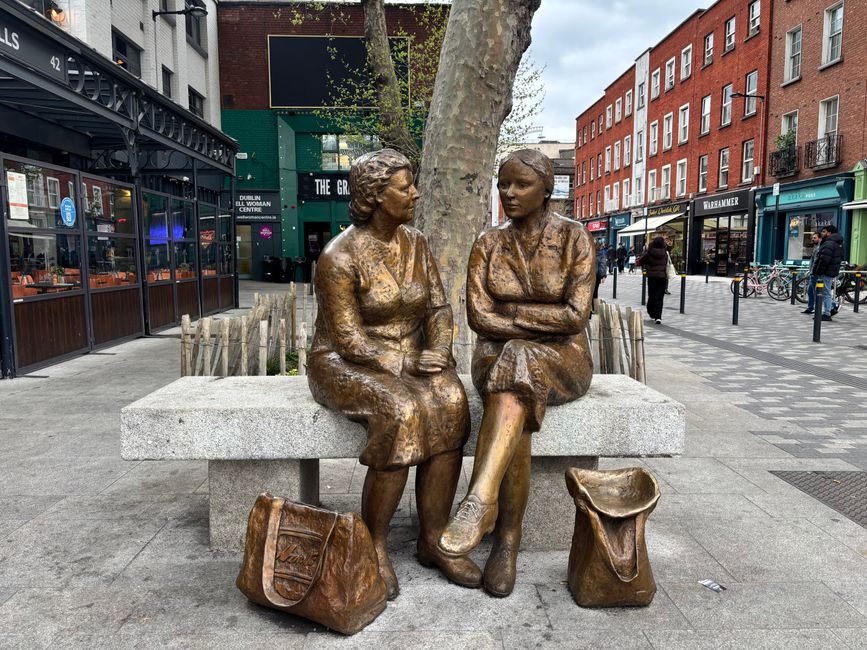
A community case is easier to assess when residents agree on the specific problem and the change they want considered. Ask people affected to describe what they experience, then identify the common points, such as a safety concern near a school or a difficulty using a local public space.
Keep the group’s evidence focused on the issue rather than on personal disputes or assumptions about who is responsible. A short record of locations, dates and practical effects can help councillors and council staff understand the pattern, while photographs should be taken safely and avoid identifying people unnecessarily.
Give the group a clear contact person and agree how updates will be shared. Community groups sharing information about a local campaign may use Local Seo Services to help residents find accurate details about their work and location; keep public information factual and update it when meeting arrangements or requests change.
Present a clear request
When approaching a councillor or speaking at a public meeting, explain the community’s request before presenting supporting detail. A clear request might ask for a review, an explanation of the decision-making process or consideration of a change; it should not imply that residents can dictate the final outcome.
Choose a spokesperson who can summarise the group’s evidence and answer straightforward questions, while making clear how residents reached their shared position. If people disagree about the preferred solution, explain that honestly and identify the points on which they do agree, rather than presenting a false consensus.
After making the case, record who received it, what response was offered and what follow-up was suggested. Share the update with participants in plain language, including any limits or next steps, so residents know whether to wait, provide more information or raise the matter through another appropriate council process.
Pitfalls to avoid when raising an issue
Separate evidence from assumptions
Describe what you have observed and distinguish it from what you suspect may be causing it. A recurring obstruction on a footpath is a reportable observation; assigning blame to a particular person or department without evidence can distract from the practical problem and make it harder for officials to respond.
Keep messages civil, even when the issue has persisted or a previous reply was disappointing. Explain what remains unresolved, refer to earlier correspondence where relevant and ask for clarification; abusive language or repeated messages to multiple staff can slow communication and weaken a case that otherwise has useful evidence.
Check that your examples relate to the decision or service you are asking about. If you are comparing local business support as a point of reference, Leicester Seo Services describes services aimed at businesses in Leicester and Leicestershire, but that example does not establish how a Dublin council handles a case.
Respect privacy and procedure
Do not publish a neighbour’s name, image or personal circumstances to strengthen a local complaint unless you have a clear, lawful reason and appropriate consent. Focus public updates on the location, issue and requested action; this protects people’s privacy and keeps discussion centred on what the council can assess.
Use the stated submission route and follow any instructions for a meeting, consultation or formal complaint. A social media post may alert other residents, but it is not necessarily a substitute for an official submission, and a deadline or required form can matter when the council is gathering views.
Avoid promising that a campaign will secure a particular result or presenting one resident’s view as the position of an entire area. Be precise about who has contributed, what evidence supports the request and what remains uncertain; this builds trust even when the eventual decision does not match the group’s preference.
Practical habits for staying involved

Keep a simple civic record
Keep a short record of the issue, the office contacted, the date of each reply and any agreed next step. This prevents details getting lost when a matter moves between a councillor and a council service, and it makes a follow-up more useful than restarting the conversation from memory.
Save relevant council notices, meeting papers and consultation information alongside your own notes. When a proposal changes, compare the new material with the original concern and check whether the council has answered the question you raised; this is more reliable than relying on a brief social media summary.
Set a manageable routine for checking updates rather than monitoring every council discussion. You might review notices connected to your area, attend a meeting when its agenda includes a relevant issue, or ask a community group to share significant developments with residents who cannot take part regularly.
Make participation sustainable
Choose a level of involvement you can maintain, whether that means sending a considered message, attending an occasional public meeting or helping a local group collect residents’ views. Consistent, well-informed participation is more useful than taking on commitments that become difficult to keep.
Share tasks within a campaign so that one person is not responsible for every email, meeting and update. Agree who will check council information, who will gather residents’ observations and who will report back; clear roles make the work easier to continue when someone is unavailable.
Review the issue after a response or decision and decide whether further action is warranted. A case may need a new question, a different council contact or simply a clear explanation to residents of what happened; closing the loop helps people learn how local decision-making worked in practice.
Frequently asked questions
Can I contact a councillor if I am not sure which council is responsible?Yes. Explain your address or the location involved and ask whether the matter falls within the councillor’s area and responsibilities. A representative’s office may be able to point you towards the relevant council service or another contact. Check the council’s own information as well, especially if your concern involves a service shared across boundaries or a decision made by a different level of government.
What information should I include in a local complaint?Include the precise location, a plain description of what is happening, how it affects people and the action or information you are requesting. Add relevant dates, photographs or earlier reference details if they help explain the issue, but avoid unnecessary personal information. If you have already contacted a council service, mention that and summarise the response so the next person can understand the history.
Do residents have to agree before contacting a representative?No. Any resident can raise an issue in an individual capacity, and a group does not need unanimous agreement to explain a shared concern. If you are speaking on behalf of others, be accurate about who supports the request and where views differ. That distinction helps a representative understand both the common issue and the range of opinion among residents.
How can I find out about local council meetings?Check the relevant Dublin city or county council website for meeting information, agendas, minutes and any instructions for public attendance or participation. Procedures can vary by meeting type, so read the guidance for the specific event rather than assuming that every meeting works the same way. If an agenda is published, use it to identify whether the issue you care about is being discussed.
Turn local concern into informed participation
Getting involved in Dublin local politics starts with a clear issue, the right council or representative and a specific request. Residents can make their case stronger by sharing accurate observations, respecting privacy and keeping track of responses. A community group can add useful perspective when it explains whose views it represents and gives officials a practical account of what people want addressed.
Choose one local matter that affects you, confirm which council or representative handles it, and send a concise message describing the location and the action you are seeking. Keep the reply and any follow-up in a simple record. If others share the concern, invite them to contribute evidence and agree how you will report back, so participation stays useful and manageable.

Add Dublin News & Updates as a preferred source on Google


