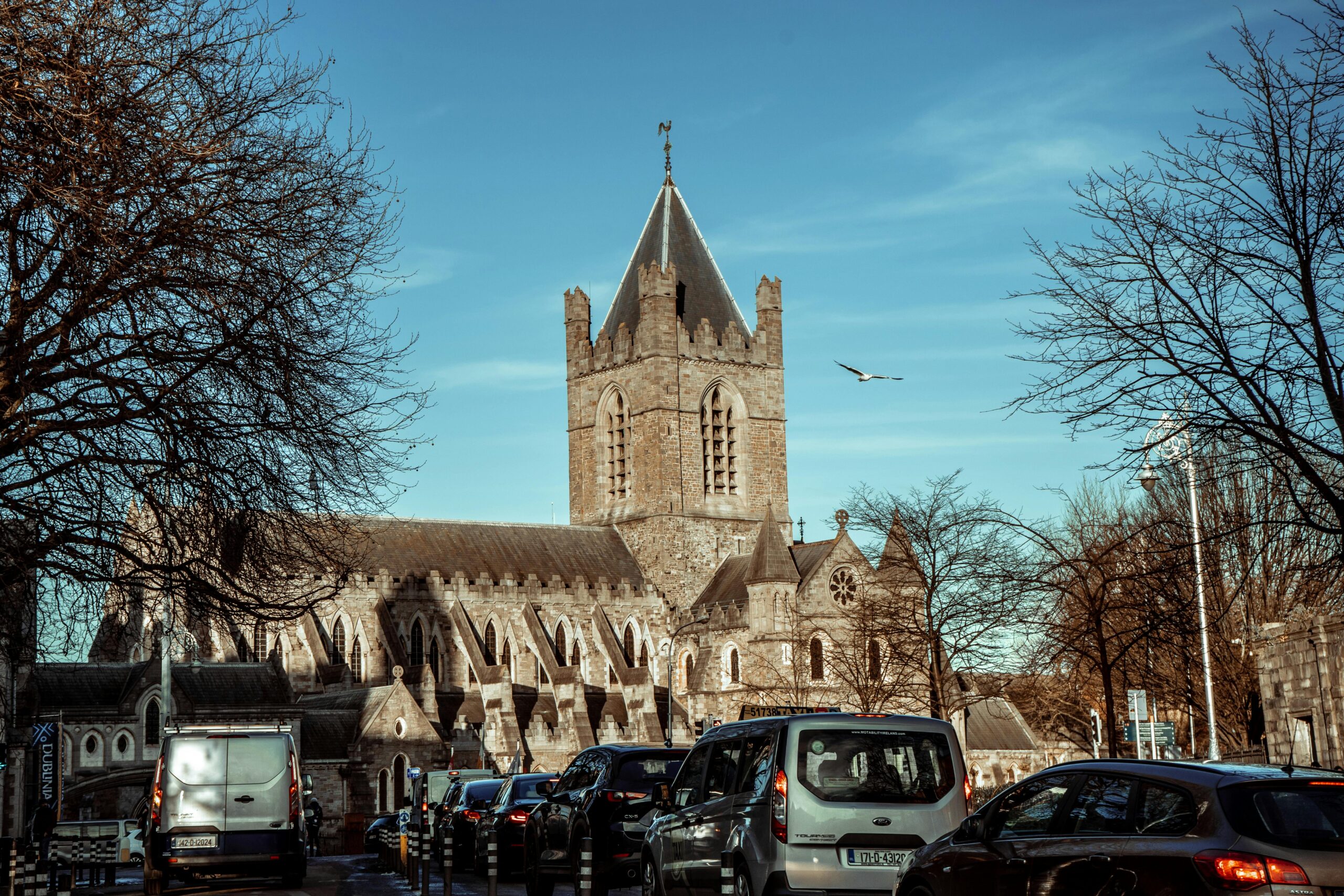
Christ Church Dublin: Discover The Secrets Behind Its Historic Charm
Have you ever wondered what makes Christ Church Dublin one of the most captivating landmarks in Ireland’s capital? This iconic medieval cathedral, steeped in centuries of history and architectural wonder, invites visitors to uncover its hidden stories and timeless beauty. Whether you’re a history buff, an architecture enthusiast, or simply a curious traveller, exploring Christ Church Cathedral Dublin promises an unforgettable journey through Ireland’s rich cultural heritage. But what are the secrets behind its historic charm that continue to fascinate millions every year?
Nestled in the heart of Dublin, Christ Church Dublin is more than just a place of worship — it’s a symbol of resilience, art, and spirituality that has stood the test of time since the 11th century. From its stunning Gothic and Romanesque architectural features to the fascinating legends and artefacts housed within its walls, this cathedral offers an immersive experience like no other. Did you know that the cathedral’s crypt is one of the largest in Britain and Ireland? Or that it holds priceless medieval treasures that reveal the story of Dublin’s past? These are just a few of the remarkable elements that make Christ Church Cathedral a must-visit destination.
If you’re planning a trip to Dublin or looking to deepen your knowledge about Irish history, uncovering the secrets of Christ Church Dublin will surely enrich your adventure. Dive into the cathedral’s lesser-known facts, explore its stunning interiors, and learn why it remains a beloved landmark for locals and tourists alike. Ready to discover the magic behind this historic gem? Let’s embark on a fascinating exploration of Christ Church Cathedral Dublin and all the hidden wonders it holds.
Unveiling 7 Hidden Treasures Inside Christ Church Dublin You Never Knew Existed
Nestled in the heart of Dublin, Christ Church Cathedral is one of the city’s most iconic landmarks, drawing visitors from all over the world. While many tourists admiring its gothic architecture and rich history might think they’ve seen it all, there are many hidden treasures inside Christ Church Dublin that you probably never knew existed. These secret gems not only enrich your visit but unravel layers of history and mystique that have been carefully preserved for centuries. So, let’s dive deep and discover the secrets behind its historic charm.
1. The Crypt: A Maze of History Beneath the Cathedral
Most visitors only glance at the cathedral above, but below lies a crypt that dates back nearly 1,000 years, making it one of the largest in Ireland. It’s not just a burial place; it’s a labyrinth of medieval history. Inside, you’ll find:
- Ancient stone carvings and tombs
- The resting place of notable figures such as Richard de Clare, a Norman knight
- Artefacts from the Viking era, revealing the cathedral’s origins tied to Dublin’s early settlers
The crypt also hosts exhibitions and sometimes hosts live music events, blending history with modern culture.
2. The Mysterious Mace of Dublin
Hidden within Christ Church is the ceremonial mace of Dublin, an ornamental staff used in official ceremonies. It may look like a simple decorative object but carries symbolic power representing the city’s authority and governance. The mace is over 300 years old and crafted with intricate silverwork. You might missed it if you’re not looking closely, but it’s a piece that connects the cathedral to Dublin’s civic history.
3. The Heart of St Laurence O’Toole
In a small glass case inside the cathedral, you can find the preserved heart of St Laurence O’Toole, the patron saint of Dublin. This relic is a powerful symbol of faith and has a fascinating story behind it. St Laurence was the Archbishop of Dublin in the 12th century and renowned for his dedication to the poor. When he died, his heart was removed and kept separately as a holy relic. Few churches hold such intimate connections to their saints, making this a unique feature.
4. The 12th Century Stone Font
Near the entrance there is a baptismal font carved out of stone that dates back to the 12th century. It’s remarkable to think babies were baptised there almost 900 years ago. The font is decorated with intricate designs typical of the Romanesque style, including interlacing patterns and symbolic motifs that represented purity and new life. Despite its age, the font remains in use today, linking present-day worshippers with their medieval predecessors.
5. The Medieval Wall Paintings
Not many people know that some parts of the cathedral walls still bear medieval paintings beneath layers of plaster and paint. These murals, uncovered during restoration work, depict biblical scenes and saints. Though faded, they provide a rare glimpse into the religious art styles of the Middle Ages in Ireland. It’s like stepping back in time and seeing the cathedral as it was originally meant to be experienced by worshippers centuries ago.
6. The Crypt’s Hidden Passageways
There are rumours and legends about secret underground passageways beneath Christ Church. While some are exaggerated, there are indeed small tunnels and chambers that were used historically for various purposes, including storage and escape routes during troubled times. Visitors can only glimpse a few of these, but it adds an air of mystery and intrigue to the cathedral’s already rich history. Imagine medieval monks or knights moving silently through these hidden corridors.
7. The Unique Organ and Its Story
The cathedral houses a grand pipe organ that dates back to the 18th century, but it’s not just any organ. This instrument has been rebuilt and restored several times, each version adding more pipes and enhancing its sound. The organ is famous for its powerful resonance that fills the cathedral’s vast space during services and concerts. Interestingly, it survived fires and wars, standing as a testament to the resilience of Christ Church itself.
Comparing Christ Church Dublin With Other European Cathedrals
While cathedrals like Notre-Dame in Paris or Westminster Abbey in London are more famous worldwide, Christ Church Dublin holds its own unique charm:
- Age: Christ Church dates back to around 1030 AD, making it one of the oldest buildings in Dublin.
- Viking Connection: Unlike many other cathedrals, it has strong ties to Viking history, as Dublin was a Viking settlement.
- Size: It’s smaller than many European cathedrals, but this gives it a more intimate and approachable feel for visitors.
- Preservation: Many original medieval features, like the crypt and stone carvings, are well-preserved, offering a genuine glimpse into the past.
Practical Tips For Visiting Christ Church Dublin
If you plan to explore these hidden treasures, here are some practical tips to make the most out
Why Christ Church Dublin Is a Must-Visit Historic Landmark in Ireland’s Capital
Why Christ Church Dublin Is a Must-Visit Historic Landmark in Ireland’s Capital
If you ever find yourself wandering the cobbled streets of Dublin, there’s one place you absolutely should not miss – Christ Church Dublin. This ancient cathedral, with its towering spires and rich history, stands as a testament to Ireland’s fascinating past. But why exactly does Christ Church deserve a spot on your itinerary? Let’s dive into the secrets behind its historic charm and discover what makes it so special.
The Origins and Historical Significance of Christ Church Dublin
Christ Church, also known as The Cathedral of the Holy Trinity, was founded in 1030 by Dúnán, the first bishop of Dublin. It is one of the oldest buildings in the city, though much of what visitors see today was constructed during the 12th century under the orders of the Anglo-Norman lord, Strongbow. The cathedral stood witness to many major events in Irish history, from medieval battles to religious reforms.
Some quick facts about Christ Church Dublin’s history:
- Founded in 1030, making it nearly 1,000 years old
- Rebuilt extensively in the 1170s to reflect Norman architectural styles
- Served as the seat of the Archbishop of Dublin for centuries
- Survived the Reformation and various political upheavals
- Restored in the 19th century by architect George Edmund Street
This blend of medieval and Victorian styles can be seen in the cathedral’s interior and exterior, giving visitors a unique glimpse into Ireland’s architectural evolution.
What Makes Christ Church Dublin Unique Compared to Other Landmarks?
Dublin has many historic sites – Trinity College, Dublin Castle, St. Patrick’s Cathedral – but Christ Church offers a different experience that sets it apart. For one, its crypt is one of the largest in Ireland and is filled with fascinating artefacts and tombs, some dating back to the medieval period. The atmosphere in the crypt is unlike any other, almost transporting you back in time.
Here’s a quick comparison table to highlight Christ Church’s unique features:
| Landmark | Age | Architectural Style | Unique Feature |
|---|---|---|---|
| Christ Church | Founded 1030 | Norman and Victorian | Extensive medieval crypt |
| St. Patrick’s Cathed | Founded 1191 | Gothic | Largest church in Ireland |
| Dublin Castle | 13th century | Medieval with Georgian Additions | Seat of British rule in Ireland |
Visitors often remark that Christ Church feels more intimate and historically layered, partly because of the mix of architectural influences and the wealth of artefacts housed within.
Exploring The Secrets Inside Christ Church Dublin
Beyond its grand façade, Christ Church Dublin hides numerous secrets waiting to be uncovered. For instance, there is the famous mummified cat and rat found in a medieval chimney during restoration work in the 1980s – a curious reminder of daily life centuries ago. Another intriguing feature is the heart of Saint Laurence O’Toole, the patron saint of Dublin, which is preserved in a shrine inside the cathedral.
Visitors can also explore:
- The medieval crypt, home to stone carvings and ancient tombs
- The Chapter House, where important ecclesiastical decisions were made
- The choir stalls with intricately carved misericords
- A collection of medieval silver and artefacts in the treasury
Many guided tours are available, offering stories about the cathedral’s role in Ireland’s religious and political history. These tours often reveal little-known facts about the building’s construction and the people who worshipped there.
Practical Tips for Visiting Christ Church Dublin
If you planning a trip to Dublin and want to add Christ Church to your list, here are some handy tips:
- Opening hours: Usually open daily from morning till late afternoon, but times can vary seasonally.
- Admission fee: There is a small charge to enter the cathedral and its crypt, which helps with maintenance.
- Guided tours: Highly recommended to fully appreciate the history; some tours include access to restricted areas.
- Accessibility: Parts of the cathedral are wheelchair accessible, but the crypt’s uneven floors can be challenging.
- Nearby attractions: Dublin Castle and Temple Bar are within walking distance, making it easy to combine visits.
Visitors should wear comfortable shoes since the cathedral floors are old and uneven in places. Taking a camera is also a good idea, though photography may be restricted in certain areas.
Why Christ Church Dublin Continues to Captivate Visitors
There’s something undeniably magical about Christ Church Dublin. It’s not just a building, but a living monument that tells stories of conquest, faith, and resilience. Each stone and stained glass window holds a piece of history that connects modern-day Dubliners and tourists with the past. Unlike more commercialised attractions, Christ Church maintains a solemn charm that invites reflection and wonder.
Whether you interested in architecture, history, or religious heritage, this cathedral offers a rich,
Exploring the Fascinating Medieval Architecture of Christ Church Dublin: A Timeless Marvel
Exploring the Fascinating Medieval Architecture of Christ Church Dublin: A Timeless Marvel
In the heart of Dublin, amongst the modern hustle and bustle, stands a remarkable piece of history that many visitors often overlook. Christ Church Dublin is not just a place of worship but an enduring symbol of medieval architecture and history, holding stories that stretches back nearly a millennium. Exploring this magnificent cathedral reveals secrets and charms that continue to captivate anyone who steps inside, offering a rare glimpse into Ireland’s rich past.
The Origins and Historical Context of Christ Church Dublin
Christ Church, also known as the Cathedral of the Holy Trinity, dates back to the early 11th century, with its foundation traditionally credited to the Viking king Sitric Silkenbeard around 1030 AD. This alone makes it one of the oldest buildings in Dublin, predating even Dublin Castle. Over the centuries, the cathedral has witnessed numerous transformations, reflecting the changing tides of religious, political, and social life in Ireland.
- Built initially as a wooden church by Viking settlers
- Rebuilt in stone during the 12th century under the rule of Strongbow, the Norman lord
- Went through extensive renovations in the 19th century led by architect George Edmund Street
One of the most fascinating aspects is how the cathedral has been adapted and modified through different eras, blending Romanesque and Gothic architectural styles, which was quite typical for medieval churches but unique in its execution here.
Architectural Highlights and Medieval Features
Walking into Christ Church Dublin, you don’t just enter a place of worship; you step into a medieval marvel. The architecture offers a storybook narrative told through stone and stained glass.
Some of the key medieval features include:
- The Crypt: One of the largest medieval crypts in Britain and Ireland, it acts like a time capsule. Visitors can see ancient stone vaults, carved capitals, and even remnants of a medieval mummified cat!
- The Nave: The main body of the church showcases a blend of Norman arches and Gothic windows, with massive stone pillars supporting the lofty ceilings.
- The Choir and High Altar: These areas highlight intricate woodwork and medieval carvings, many of which survived the dissolution of monasteries during Henry VIII’s reign.
- The West Tower: Reconstructed in the 19th century but designed to mimic the original medieval style, it offers panoramic views of Dublin if you’re brave enough to climb the stairs.
Discover The Secrets Behind Its Historic Charm
Christ Church Dublin is steeped in mysteries and lesser-known tales that adds to its timeless allure. For example, the cathedral was once a place of royal ceremony and political intrigue. Kings and Norman lords were crowned here, and important treaties signed, making it more than just a religious site.
Interesting facts include:
- The cathedral was the seat of the Archbishop of Dublin before St. Patrick’s Cathedral took over in the 14th century.
- It houses a unique medieval baptismal font that is still used today.
- Beneath the floor lies a maze of tunnels and chambers, some of which are open to the public on guided tours.
- The mummified cat found in the crypt believed to have been placed there to ward off rats during medieval times.
Comparing Christ Church Dublin to Other Medieval Cathedrals
While Ireland boasts several medieval churches, Christ Church Dublin stands apart in several ways. Let’s consider a quick comparison with two other notable medieval cathedrals:
| Feature | Christ Church Dublin | St. Patrick’s Cathedral (Dublin) | Gloucester Cathedral (England) |
|---|---|---|---|
| Date of Foundation | c. 1030 AD | 1191 AD | c. 1089 AD |
| Architectural Style | Romanesque & Gothic mix | Gothic | Norman & Gothic |
| Significant Historical Role | Viking origin, royal ceremonies | National cathedral of Ireland | Coronation chapel for British monarchs |
| Unique Features | Large crypt, mummified cat | Medieval stained glass | Fan vaulting and cloisters |
This table shows how Christ Church Dublin carries its own unique narrative woven through history, architecture, and cultural significance, making it an essential stop for history buffs and architecture enthusiasts alike.
Practical Tips for Visiting Christ Church Dublin
If you’re planning a trip to Dublin and want to explore Christ Church, here are some quick pointers to make the most of your visit:
- Opening Hours: Typically open daily, but hours can vary seasonally; check in advance to avoid disappointment.
- Guided Tours: Highly recommended as they reveal hidden details and stories not visible to the casual visitor.
- Entry Fee: There is a modest charge, which helps maintain the building and fund archaeological research.
- Accessibility: The cathedral tries to accommodate visitors with limited mobility, though some areas like the crypt may be challenging
How Christ Church Dublin’s Ancient Crypt Reveals Secrets of Ireland’s Past
How Christ Church Dublin’s Ancient Crypt Reveals Secrets of Ireland’s Past
Christ Church Dublin, one of the oldest and most iconic landmarks in Ireland, holds within its ancient walls stories untold and secrets unlocked only by those who venture into its dimly lit crypt. This historic cathedral, located in the heart of Dublin, is more than just a place of worship; it’s a gateway to Ireland’s rich past. Visitors who explore the crypt, in particular, uncover layers of history that speak volumes about the country’s religious, cultural, and social evolution throughout centuries.
The Historic Significance of Christ Church Dublin
Christ Church, also known as The Cathedral of the Holy Trinity, was founded around 1030 by the Viking king Sitric Silkenbeard. This fact alone makes it one of the oldest structures in Dublin, predating many other famous European cathedrals. The building you see today, however, is mostly from the 12th century after major reconstructions, reflecting the medieval Gothic and Romanesque styles. What makes Christ Church unique is how it has continuously evolved, serving as a religious centre, a place for political events, and a cultural hub.
Over the centuries, it witnessed:
- The Norman invasion of Ireland in 1169
- The Reformation and religious upheavals in the 16th century
- The English Civil War’s effects on Irish society
- Restoration efforts in the 19th and 20th centuries
Each era left its mark, but none so intriguingly as the crypt, which has survived wars, decay, and restoration attempts.
The Crypt: An Ancient Time Capsule Beneath the Cathedral
The crypt under Christ Church is often described as one of the largest and most atmospheric in Britain and Ireland. It was originally constructed in the 12th century and used for various purposes including burials, storage, and as a refuge during conflicts. The crypt stayed hidden and somewhat forgotten until rediscovered during Victorian restorations.
What makes this crypt special is the way it reveals multiple layers of Dublin’s past:
- Medieval Architecture: The stonework, vaulted ceilings, and narrow passages give a vivid picture of medieval construction techniques.
- Burial Sites: Numerous tombs belonging to bishops, knights, and prominent citizens lie here, some with inscriptions that are barely legible today.
- Artifacts: Archaeologists found medieval carvings, old coffins, and even remnants of Viking artefacts, suggesting the site’s long history.
Visitors walking through the crypt can’t help but feel transported back in time, surrounded by the silent whispers of those who lived centuries ago.
Why Christ Church’s Crypt Stands Out Compared to Other Irish Cathedrals
Ireland has many beautiful cathedrals, but what sets Christ Church’s crypt apart is its size, age, and the diversity of historical elements found within. For example:
| Cathedral | Crypt Size | Age | Unique Feature |
|---|---|---|---|
| Christ Church Dublin | Large, extensive | 12th century | Viking artefacts and medieval tombs |
| St. Patrick’s Cathedral | Smaller | 13th century | Gothic architecture, less extensive crypt |
| Down Cathedral | Medium | 12th century | Burial site of Saint Patrick |
The combination of Viking origins and medieval Christian history makes Christ Church’s crypt a rare treasure. Unlike many other crypts that were sealed off or destroyed, this one remains accessible and relatively intact, offering a tangible connection to Dublin’s earliest days.
Practical Tips for Visitors Exploring Christ Church Dublin
If one plans to visit Christ Church Dublin and its crypt, here are some helpful pointers:
- Opening Hours: The crypt is open daily but check for seasonal variations. Sometimes guided tours are available.
- Guided Tours: Highly recommended to gain deeper insights; guides often share stories that aren’t found in guidebooks.
- Accessibility: The crypt has uneven floors and narrow stairways, so wear comfortable shoes and be prepared for limited mobility access.
- Photography: Allowed in most areas but respect signs and other visitors.
- Nearby Attractions: After visiting, explore nearby Dublin Castle and the medieval city walls to get a broader sense of Dublin’s history.
What Makes Christ Church Dublin’s Historic Charm So Enduring?
It’s not just the grand architecture or the ancient relics that draw people; it’s the stories embedded in every stone. Christ Church has survived Viking raids, religious conflicts, and the march of time. Its crypt encapsulates a mystery and charm that appeals both to history buffs and casual visitors alike.
Some of the secrets include:
- The crypt’s use as a hiding place during times of war and rebellion
- The surprising discovery of a mummified cat, believed to be a witch’s familiar or a symbol to ward off evil spirits
- The architectural
Top 5 Insider Tips for Experiencing Christ Church Dublin Like a Local Historian
Visiting Christ Church Dublin is like stepping into a time machine that transports you right into the heart of medieval Ireland. This cathedral, standing proudly in the city centre for over 900 years, is not just a place of worship but a treasure trove of stories, secrets, and history. Most tourists just see the grand architecture and maybe snap a photo before moving on, but if you want to experience Christ Church Dublin like a local historian, there’s a lot more waiting beneath the surface. Here’s the top 5 insider tips to discover the true charm of this iconic site.
1. Understand the Cathedral’s Living History
Christ Church Dublin is not just old stone and stained glass; it is a living monument that has witnessed countless events shaping Dublin’s history. Founded around 1030 by Sitric Silkenbeard, the Norse King of Dublin, it’s one of the oldest buildings in the city. Over centuries, it was modified by the Normans and later by various architects, making it a patchwork of styles and eras.
One thing many visitors miss is the fact that the cathedral was once a monastic settlement and later became the centre of the Church of Ireland. The building has survived fires, wars, and political upheaval, which makes it a symbol of resilience.
- Founded: approx 1030 AD
- Founder: Sitric Silkenbeard, Viking King
- Architectural styles: Romanesque, Gothic, Victorian renovations
- Survived major fire: 1171 during the Norman invasion
Knowing this background before your visit helps you see beyond the obvious and appreciate the layers of history embedded in every arch and window.
2. Explore the Crypt – The Largest in Ireland
Many people skips the crypt, but it is actually one of the most fascinating parts of Christ Church Dublin. It is the largest crypt in Ireland and it holds a wealth of historical artefacts and tombs. The crypt functions as a museum, showing medieval carvings, stone coffins, and the infamous mummified remains of “St Laurence O’Toole,” the patron saint of Dublin.
Visitors usually don’t realise that the crypt’s labyrinthine passages were once used for secret meetings and refuge during turbulent times. It’s eerie but captivating, and gives you a real sense of Dublin’s darker medieval past.
A few highlights inside the crypt include:
- Remains of St Laurence O’Toole
- Medieval stone coffins and effigies
- Ancient statues and carvings
- Archaeological exhibits showing Viking artefacts
3. Get to Know the Cathedral’s Unique Features
Unlike many cathedrals, Christ Church Dublin have some features that you won’t find anywhere else. For instance, the cathedral houses the famous “Heart of St Laurence O’Toole,” which is kept in a special shrine. Also, the cathedral is known for its impressive medieval wooden pulpit, which is one of the oldest in Ireland.
Another little known fact is the crypt contains a mummified cat and rat, which were found trapped in a sealed chamber beneath the floorboards. This bizarre discovery often surprises visitors but adds to the cathedral’s unique charm.
Here’s a quick list of unusual features:
- The shrine of St Laurence O’Toole’s heart
- Medieval wooden pulpit
- Mummified cat and rat in crypt
- The 13th-century baptismal font still in use
4. Visit During Special Events for a Deeper Experience
If you want to feel the cathedral as locals do, try timing your visit around special services or events. Christ Church Dublin still holds regular worship and music concerts which offer a glimpse into its spiritual life. On occasion, medieval reenactments or guided tours by knowledgeable historians are arranged, providing rich stories and context that normal tours often lack.
For example, during Christmas, the cathedral’s choir performs traditional carols, filling the space with an atmosphere that photographs can’t capture. Visiting during these times lets you experience the cathedral not just as a museum but as a vibrant part of Dublin’s cultural fabric.
Examples of events include:
- Christmas carol concerts
- Medieval history tours
- Easter services with special ceremonies
- Organ recitals and classical music nights
5. Take a Guided Tour with a Local Expert
While self-guided tours are common, joining a local historian or expert guide can transform your visit completely. They share stories, myths, and historical facts that you won’t find in guidebooks. The guides often point out hidden details in the architecture, explain the significance of relics, and recount the colourful characters who walked these halls.
Booking a tour early in the day also means fewer crowds and a more intimate experience. Some tours even include access to restricted areas like the bell tower or choir stalls, where you get spectacular views and insights.
Here’s what you might expect on a local expert tour:
- Stories about the Viking origins and medieval
Conclusion
In conclusion, Christ Church Cathedral in Dublin stands as a remarkable testament to Ireland’s rich medieval heritage and architectural grandeur. From its origins in the early 11th century to its stunning Gothic and Romanesque features, the cathedral offers visitors a unique glimpse into centuries of history, art, and religious significance. Its beautifully preserved interiors, impressive crypt, and vibrant community activities make it much more than just a historic monument; it is a living symbol of Dublin’s cultural identity. Whether you are a history enthusiast, architecture lover, or simply a curious traveller, Christ Church Cathedral is an essential stop on any visit to the city. To fully appreciate its splendour and stories, be sure to explore the cathedral with a guided tour and take time to reflect in its serene surroundings. Plan your visit today and experience the enduring legacy of one of Dublin’s most treasured landmarks.